
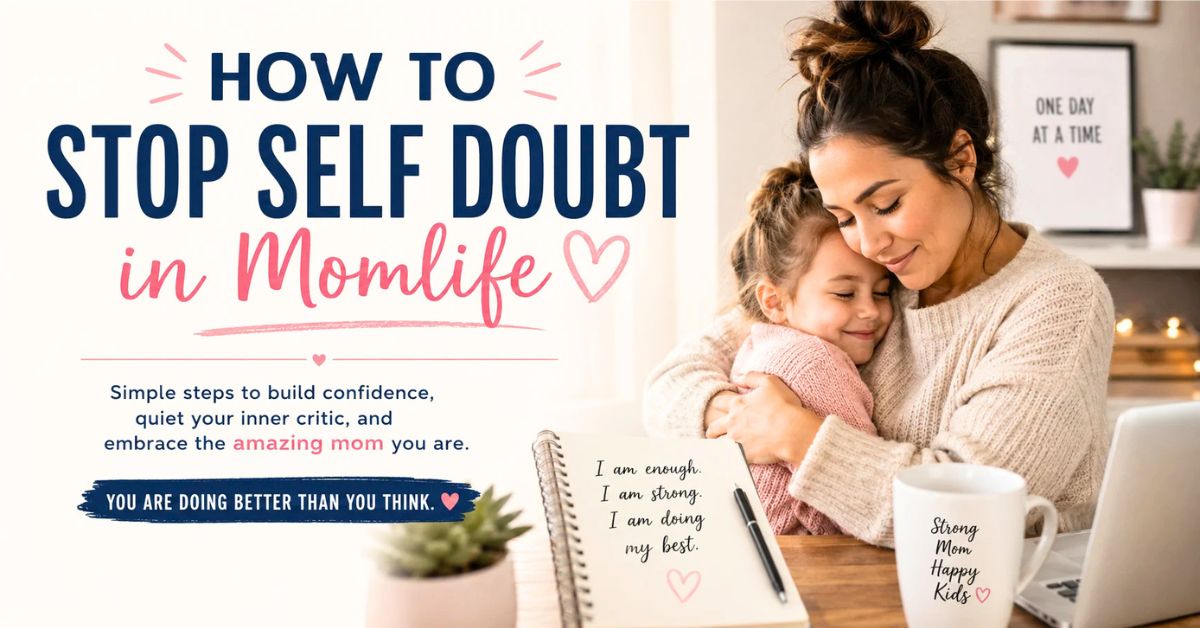
Motherhood is beautiful, but it can also feel overwhelming. If you are raising kids on your own, the pressure can feel even heavier. Some days, you may look around at your messy kitchen, unpaid bills, and tired reflection in the mirror and quietly wonder, “Am I even doing this right?”
If you have ever searched for how to stop self-doubt in momlife, you are not alone. Many single moms across the United States struggle with these thoughts. You love your children deeply. You work hard. You sacrifice. Yet, that small voice inside your head keeps questioning your choices.
This article is for you. It is for the mom who stays up late worrying. For the mom comparing herself to other moms online. For the mom trying her best but still feeling like it is not enough.
Let’s talk honestly about self-doubt, why it happens, and how you can begin to quiet it for good.
Why Moms Struggle With Self-Doubt
Motherhood changes everything. Your body changes. Your schedule changes. Your priorities shift overnight. When you are a single mom, the changes can feel even more intense because you are carrying so much alone.
Many moms struggle with self-confidence because of constant comparison. Social media shows perfect birthday parties, clean homes, and smiling families. It rarely shows the exhaustion, tears, or financial stress behind the scenes. When you compare your real life to someone else’s highlight reel, it is easy to start questioning yourself.
Another reason moms doubt themselves is unrealistic expectations. Society often sends the message that a “good mom” should always be patient, organized, financially stable, emotionally calm, and fully present. That is simply not realistic. Practicing setting realistic expectations can help you see that no one meets these impossible standards every day.
Financial pressure is also a major trigger for self-doubt in single moms. Managing rent, groceries, childcare, and school expenses on one income can feel stressful. When money feels tight, you might blame yourself. You might wonder if you should be doing more or earning more. This stress can quietly feed self-doubt.
Emotional exhaustion plays a role, too. When you are tired, your mind becomes more negative. You may struggle with stress management and find yourself thinking worst-case thoughts. Lack of sleep, constant responsibility, and limited personal time can make even small problems feel huge.
Some moms also carry past trauma, divorce pain, or relationship wounds. These experiences can affect your inner voice. If someone in your past criticized you often, that voice may still echo inside your mind.
Understanding why self-doubt happens is powerful. It reminds you that your feelings are human. They are not proof that you are failing. They are signs that you are under pressure.
How to Stop Doubting Yourself as a Mom
Learning how to stop doubting yourself starts with changing your inner voice. Notice how you talk to yourself during hard moments. When your child throws a tantrum in public, do you think, “I am such a bad mom”? Or do you say, “This is a hard moment, but I am handling it”?
That shift matters. Practicing positive self-talk is not about pretending everything is perfect. It is about speaking to yourself with kindness. Instead of harsh criticism, try gentle truth. Remind yourself that parenting is a learning process.
Another key step in how to stop self-doubt is practicing self-compassion. Imagine your best friend telling you she feels like a terrible mom. You would not judge her. You would remind her of all the ways she shows up for her kids. You deserve that same compassion.
Daily motherhood affirmation can also help reshape your thinking. Simple phrases like “I am doing my best,” “My children are loved,” or “I am growing every day” can slowly rewire your mindset. At first, it may feel awkward. Over time, it becomes natural.
Building a strong support network is also important. Single moms often try to handle everything alone. But no one is meant to parent in isolation. Connecting with other moms, joining local parenting groups, or talking to trusted family members can reduce feelings of loneliness. When you hear other moms admit they struggle too, it helps you realize you are not broken.
If self-doubt feels constant or overwhelming, consider seeking professional help. Therapy is not a sign of weakness. It is a form of personal development. A licensed therapist can help you unpack deep-rooted fears and build stronger coping skills. Many communities in the U.S. offer affordable counseling or online therapy options.
You can also explore trusted parenting resources like books, podcasts, and workshops. Learning new strategies builds confidence. The more tools you have, the less powerless you feel.
Remember that confidence is not something you magically wake up with. It is built slowly, through small actions and daily choices.
Simple Ways to Combat Self-Doubt Immediately
Sometimes self-doubt hits suddenly. Maybe your child struggles in school. Maybe you forgot a school event. Maybe someone made a judgmental comment. In those moments, you may wonder how to combat self-doubt immediately.
Start by pausing your thoughts. Take a few deep breaths. Practicing mindfulness helps you step back from negative thinking. Instead of believing every thought, observe it. You might say to yourself, “I am having the thought that I am failing.” This small shift creates emotional space.
Next, focus on facts instead of feelings. Feelings are real, but they are not always accurate. Ask yourself what you have done right recently. Maybe you packed lunch every day this week. Maybe you comforted your child after a nightmare. These small moments matter.
Make a habit of celebrating small wins. Single moms often move from one task to the next without stopping to notice progress. When you acknowledge even small achievements, you strengthen your sense of capability. Try acknowledging achievements at the end of each day, even if they seem minor.
Protect your energy by creating healthy boundaries. If certain people make you feel judged or inadequate, limit how much you share with them. Boundaries are not selfish. They are part of emotional survival.
You can also practice grounding exercises when doubt spikes. Notice five things you see, four things you feel, three things you hear. These techniques calm your nervous system and reduce anxiety. Better stress management leads to clearer thinking.
Physical health affects mental health, too. Eating regular meals, staying hydrated, and getting enough sleep when possible can reduce negative thoughts. When your body is cared for, your mind is more stable.
If financial stress triggers doubt, create a simple plan. Review your monthly expenses. Look into community programs or benefits that support single parents. Feeling organized around money, even in small ways, can boost self-confidence.
Most importantly, remind yourself that one hard moment does not define you as a mother.
How to Build Confidence in Momlife
Building long-term confidence is about consistency. It is not about becoming perfect. It is about learning to trust yourself.
One powerful step is focusing on building resilience. Life will not always be easy. Children will test limits. Bills will arrive. Plans will change. Resilience grows when you face challenges and realize you survived them. Each obstacle you handle adds to your inner strength.
Work on personal development outside of motherhood, too. When you grow as a woman, your confidence expands. This might mean taking an online class, starting a small side business, improving job skills, or exploring a hobby. Growth reminds you that you are more than your struggles.
Continue practicing self-compassion during setbacks. If you make a mistake, apologize if needed and move forward. Your children do not need a perfect mom. They need a real one who models growth and accountability.
Set clear priorities and keep setting realistic expectations. Some days the house will be messy. Some days dinner will be simple. That does not make you less loving. It makes you human.
Keep using motherhood affirmation daily. Confidence grows through repetition. The words you speak to yourself shape your identity.
Stay connected to your support network. Healthy relationships strengthen emotional stability. If you feel isolated, consider community centers, church groups, or local mom meetups. Even online support groups for U.S. single moms can encourage.
Consider seeking professional help if you notice ongoing sadness, anxiety, or constant self-criticism. Mental health care is part of responsible parenting. When you care for your mind, you show your children that emotional wellness matters.
Remember to track your progress. Reflect on where you were one year ago. Notice how much you have learned. Notice how your children are growing. Notice how you continue showing up.
Confidence is built through action, reflection, and grace.
Real-Life Moments That Trigger Self-Doubt
Picture this. It is a weekday morning. You are rushing to get everyone ready. One child cannot find their shoes. The other forgot about a school project. You are already late for work. Your patience runs thin, and you snap.
Later, guilt creeps in. You think, “A better mom would have handled that calmly.” That is self-doubt talking.
Or maybe you scroll through social media at night. You see another mom posting about homemade meals, craft projects, and family vacations. You glance at your bank account and feel a wave of shame.
These are normal moments. They do not define your worth. Learning how to get rid of self-doubt means recognizing triggers and responding with compassion instead of criticism.
When these moments happen, pause and remind yourself of the full picture. You are balancing responsibilities that many people never see. You are working, parenting, planning, and protecting.
That deserves respect, not judgment.
The Emotional Health Side of Self-Doubt
Chronic self-doubt can affect your mental health. It can lead to anxiety, depression, and burnout. If you constantly question yourself, your nervous system stays on high alert.
Pay attention to warning signs. If you feel hopeless, extremely irritable, or unable to enjoy things you once loved, it may be time to reach out for help. There are national hotlines, local clinics, and online therapy platforms designed to support women.
Taking care of your emotional health is not separate from parenting. It is part of it. When you model emotional awareness and growth, your children learn those skills too.
Practicing mindfulness, journaling, and regular check-ins with yourself can prevent small doubts from turning into deeper issues.
You are allowed to rest. You are allowed to ask for help. You are allowed to take up space.
Conclusion:
If you came here searching for how to stop self-doubt in momlife, I want you to hear this clearly. The fact that you care enough to search for answers shows how deeply you love your children.
Self-doubt does not mean you are failing. It means you care.
Every lunch packed, every bedtime story read, every sacrifice made matters. Even on your hardest days, you are building memories and shaping lives.
Keep practicing positive self-talk. Keep showing yourself self-compassion. Keep celebrating small wins. Keep building your self-confidence step by step.
Motherhood is not about perfection. It is about presence, effort, and love.
You are stronger than you think. You are more capable than you realize. And you are already enough.
FAQ
What is the fastest way to stop self-doubt in momlife?
The fastest way is to pause and challenge negative thoughts. Practice deep breathing, use positive self-talk, and remind yourself of recent successes. Small mindset shifts can calm self-doubt quickly
How can single moms build confidence over time?
Single moms can build confidence by setting realistic expectations, creating healthy boundaries, celebrating small wins, and building a strong support network. Growth happens slowly, but it becomes stronger with consistency.
Is it normal for moms to doubt themselves?
Yes, it is very normal. Many moms, especially single moms, experience self-doubt because of pressure, stress, and comparison. Feeling doubt does not mean you are a bad mother.
When should I seek professional help for self-doubt?
If self-doubt leads to constant sadness, anxiety, or hopelessness, it may be helpful to seek professional help. Therapy can support personal development and emotional healing.
Can affirmations really help with self-confidence?
Yes, regular motherhood affirmation and positive self-talk can slowly reshape your mindset. Over time, they help you build stronger self-confidence and reduce negative thinking.