

The first trimester is a big change time for your body. As a mom-to-be, taking care of yourself is key. The right products and knowledge help a lot.
You might feel different physically and emotionally. Simple self-care practices can help you feel better. We’ll share important tips and practices for this time.
Key Takeaways
- Prioritizing self-care during the first trimester
- Simple self-care practices for managing physical and emotional changes
- Essential products for a comfortable pregnancy journey
- Holistic approaches to support overall well-being
- Creating a nurturing environment at home
Understanding Early Pregnancy Symptoms
As you start your pregnancy journey, knowing the symptoms is very helpful. Early pregnancy brings big changes. Knowing what to expect helps you take care of yourself.
Your body changes a lot in early pregnancy. These changes are not just physical. You might also feel different emotionally. Knowing about these symptoms helps you get ready and manage them.
Common Physical Changes
Physical symptoms in early pregnancy vary. Here are some common ones:
- Nausea and Vomiting: This is often called morning sickness, but it can happen any time.
- Fatigue: Feeling very tired is common because of hormonal changes.
- Breast Tenderness: Hormones can make your breasts swell and feel sore.
- Frequent Urination: As your uterus grows, it can press on your bladder.
| Symptom | Description | Management Tips |
|---|---|---|
| Nausea | Feeling queasy, often triggered by smells or tastes. | Eat small, frequent meals; avoid strong odors. |
| Fatigue | Feeling extremely tired, lacking energy. | Rest when needed; maintain a balanced diet. |
| Breast Tenderness | Breasts may feel swollen, sore, or tender. | Wear a supportive bra; avoid tight clothing. |
Emotional Shifts to Expect
Emotional changes are as big as physical ones in early pregnancy. You might feel:
- Mood Swings: Hormonal changes can make you feel irritable or have sudden mood changes.
- Anxiety or Excitement: The excitement of becoming a mom can mix up your feelings.
“It’s normal to feel overwhelmed, but remember, you’re not alone. Many women experience a rollercoaster of emotions during early pregnancy.”
Knowing these emotional changes are normal helps you cope better. Be kind to yourself and ask for help when you need it.
Nutritional Essentials for Pregnant Women
Eating well is key when you’re expecting. It helps your baby grow strong. Knowing what to eat can make you and your baby feel great.
Importance of a Balanced Diet
Eating right is important for many reasons. It helps your baby grow and keeps you full of energy. A good diet has foods from all groups for lots of nutrients.
Key components of a balanced diet include:
- Fruits and vegetables for vitamins and minerals
- Whole grains for fiber and B vitamins
- Protein sources like lean meats, fish, and legumes for growth and repair
- Dairy or dairy alternatives for calcium and vitamin D
Key Nutrients and Their Sources
Some nutrients are very important when you’re pregnant. Folic acid helps prevent birth defects. You can find it in leafy greens, citrus fruits, and fortified cereals.
Other essential nutrients include:
- Iron, found in red meat, poultry, and iron-fortified cereals, which supports the production of red blood cells.
- Calcium, available in dairy products and leafy greens, which is vital for your baby’s bone development.
- Omega-3 fatty acids, found in fatty fish and walnuts, which support fetal brain development.
Hydration and Its Role
Drinking enough water is as important as eating well. Water helps your body use nutrients. It also prevents problems like constipation and infections.
Tips for staying hydrated:
- Drink at least eight glasses of water a day.
- Include hydrating foods like watermelon and cucumbers in your diet.
- Monitor your urine color; it should be pale yellow.
Safe Exercise Practices During Early Pregnancy
Being active in early pregnancy is safe and good for you and your baby. It helps manage stress, boosts mood, and gets your body ready for pregnancy and motherhood.
Gentle Exercises for a Healthy Pregnancy
Doing gentle exercises keeps you healthy in early pregnancy. Prenatal yoga and walking are top choices. They are easy on your body, can be adjusted to fit your comfort, and are great for flexibility and heart health.
Tips for Staying Active
To keep moving in early pregnancy, follow these tips:
- Listen to your body and rest when needed.
- Stay hydrated by drinking plenty of water before, during, and after exercise.
- Avoid high-impact activities that could cause injury or discomfort.
- Choose exercises that you enjoy, making it more likely that you’ll stick with them.
The Importance of Listening to Your Body
It’s key to listen to your body and heed its signals in early pregnancy. If you feel any pain, stop and rest. Your body’s signs are vital for your health and your baby’s.
Being aware of your limits and taking breaks helps you enjoy exercise safely. Always check with your healthcare provider before starting or continuing any exercise during pregnancy.
Importance of Prenatal Care
Prenatal care is very important in early pregnancy. It helps you and your baby start life healthy. By getting prenatal care, you’re making a smart choice for your health and your baby’s.
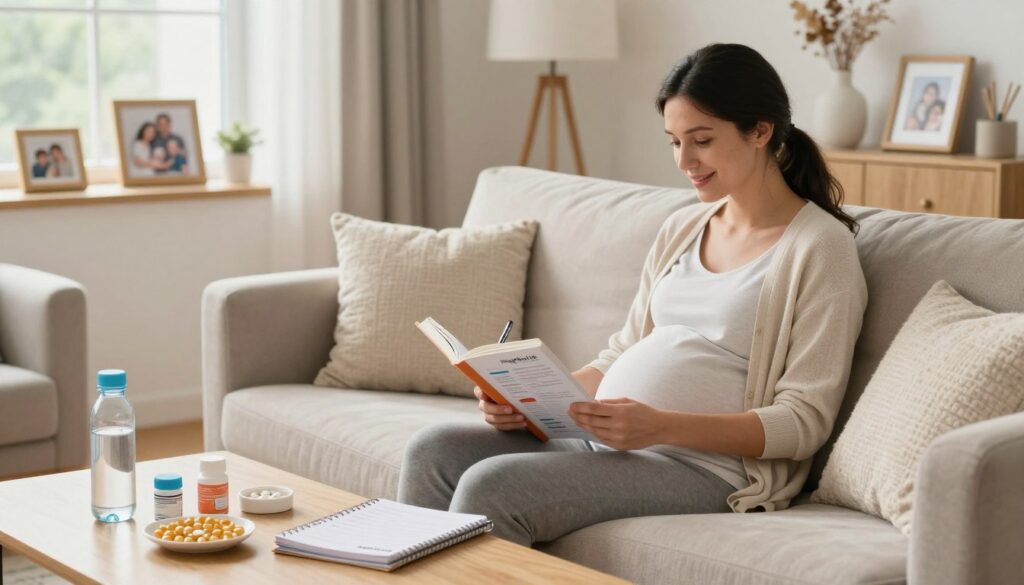
Scheduling Early Appointments
First, you need to schedule early visits with your doctor. These visits are key to knowing how your pregnancy is going. Your doctor will talk about your health history and do some tests.
Early prenatal care can really help avoid problems during pregnancy. The American Pregnancy Association says, “Women who get prenatal care have healthier babies and fewer pregnancy problems.”
Understanding Ultrasounds and Tests
You’ll have ultrasounds and tests as part of your care. These tools help your doctor check on your baby. Ultrasounds make pictures of your baby to see how they’re growing.
Some tests and ultrasounds you might have include:
- Nuchal translucency screening
- Chorionic villus sampling (CVS)
- Amniocentesis
- Glucose screening test
- First-trimester screening
Knowing about these tests can make you feel better. Your doctor will tell you why you need each test and what the results mean.
“Prenatal care is essential for a healthy pregnancy. Regular check-ups and screenings can help identify problems early, ensuring the best possible outcomes for mother and baby.”
By being informed and involved in your prenatal care, you’re doing something very important. Remember, your healthcare provider is there to help you all the way.
Managing Morning Sickness at Home
Early pregnancy can bring morning sickness, but there are ways to feel better at home. Morning sickness can be mild or very bad. We’re here to help you find ways to manage it easily.
Relief with Home Remedies
Home remedies can help with morning sickness. Ginger in tea, candies, or food can ease nausea. Drinking electrolyte-rich drinks also helps.
Acupressure bands and aromatherapy with peppermint or lemon can also help. These can make you feel better.
Eating small meals often is good. It keeps your stomach from getting too empty or too full. Bland foods like crackers or toast are better than spicy or fatty ones.
Knowing When to Seek Medical Advice
Some morning sickness can be handled at home, but not all. If you’re vomiting a lot and can’t keep fluids down, get help. Also, if you lose a lot of weight, feel dizzy, or have bad stomach pain, see a doctor.
Your doctor can give you advice that fits your needs. They might suggest more treatments to help you feel better. Always choose safety when it comes to your health and your baby’s.
Mental Health Considerations in Early Pregnancy
Early pregnancy brings big emotional changes. It’s both exciting and overwhelming. Taking care of your mental health is as important as your physical health.
Recognizing Stress and Anxiety
Early pregnancy can make you feel many things. You might feel happy and worried at the same time. Signs of stress and anxiety include feeling overwhelmed and worried about the future.
You might also get headaches or changes in how much you eat. It’s okay to feel these things. It means you’re strong and ready to take care of yourself.

Techniques for Relaxation
It’s important to find ways to relax and manage stress. Mindfulness, deep breathing, and prenatal yoga are great for this. They help you feel better and get ready for pregnancy and motherhood.
- Mindfulness: Focus on the now to avoid worries about the future or past.
- Deep Breathing Exercises: Simple but very good for calming your mind and body.
- Prenatal Yoga: It combines physical moves, breathing, and relaxation to help you feel well.
Adding these self-help techniques to your day can make you feel better. Taking care of your mental health is key to a healthy pregnancy.
Building a Support System
Having a support network in early pregnancy is key for your health. It helps you feel better emotionally and physically. A strong support system gives you comfort, guidance, and reassurance.
Involving Partners and Family
Your partner and family are great sources of support. Getting them involved in your pregnancy makes your bond stronger. It also makes them feel closer to your journey.
- Share your pregnancy news with them, including how you’re feeling.
- Ask them to come to prenatal appointments with you, if they can.
- Talk about what you need from them during this time.
Finding Community Resources
There are also community resources beyond your family. Meeting others who are pregnant is very helpful.
Here are some community resources:
- Prenatal yoga or exercise classes for pregnant women.
- Support groups where you can share and get support.
- Online forums and social media groups for pregnancy and parenting.
These resources offer advice, emotional support, and a sense of belonging. Don’t be shy to reach out and see what’s out there.
Building a strong support system helps you handle early pregnancy’s challenges. You can enjoy this special time with confidence and happiness.
Preparing Your Home for a Baby
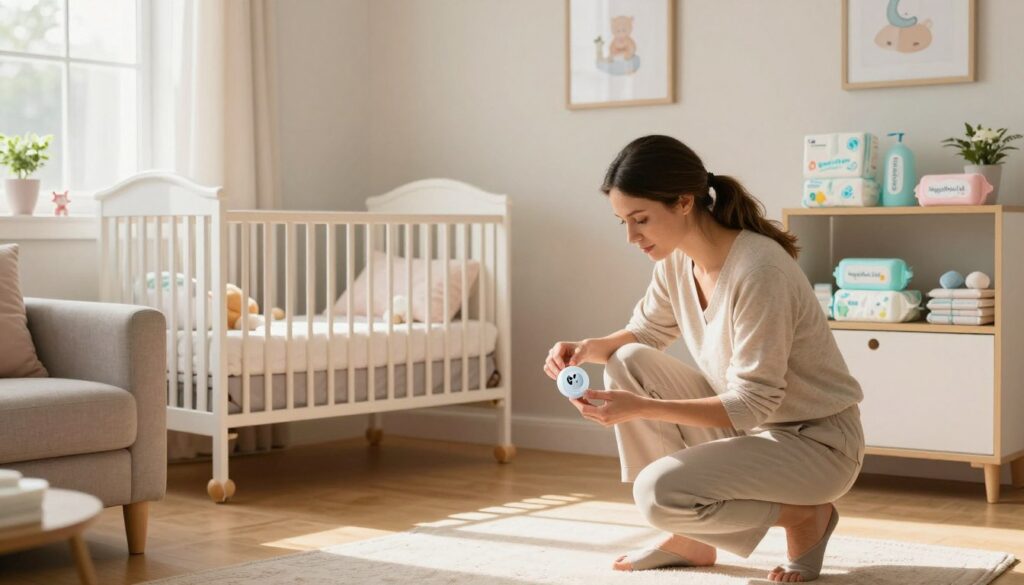
Getting your home ready for a baby is more than just buying stuff. It’s about making a safe and loving space. As you wait for your baby to arrive, there are steps to take to get your home ready.
Creating a Safe Space
First, make sure your home is safe for your baby. This means:
- Securing heavy furniture and appliances to walls to prevent them from tipping over.
- Installing safety gates at the top and bottom of stairs.
- Padding sharp corners on tables and other furniture.
- Ensuring that all electrical outlets are covered.
Essential Items to Consider
There are also important things you’ll need for your baby. Here’s a list of must-haves:
| Item | Description | Importance Level |
|---|---|---|
| Crib | A safe place for your baby to sleep. | High |
| Changing Table | A convenient and safe place to change diapers. | Medium |
| Baby Monitor | Allows you to keep an eye on your baby from another room. | High |
| Baby Clothes | Comfortable clothing for your baby. | High |
By focusing on these areas, you can make a welcoming and safe home for your baby. This will help both you and your little one adjust smoothly.
Sleep and Rest during Early Pregnancy
Getting good sleep is key when you’re early in your pregnancy. Your body changes a lot, which can mess with your sleep. It’s important to rest well to stay healthy and help your baby grow.
Establishing a Sleep Routine
Having a regular sleep schedule helps a lot. It means going to bed and waking up at the same time every day. Also, make your bedroom cozy for sleep. Here are some self-care tips for pregnant women at home to help you sleep better:
- Stick to a consistent sleep schedule, going to bed and waking up at the same time every day.
- Create a bedtime routine that includes relaxing activities, such as reading or taking a warm bath.
- Ensure your bedroom is dark, quiet, and at a comfortable temperature.
- Avoid screens and electronic devices before bedtime, as the blue light they emit can interfere with your sleep.
By following these tips, you can sleep better and stay healthy during early pregnancy.
Comfortable Sleep Positions
Finding a comfy sleep position is important as your pregnancy grows. Sleeping on your side is best because it helps your blood flow and eases back pain. Here are some natural ways to take care during early pregnancy by choosing good sleep positions:
| Sleep Position | Benefits | Tips |
|---|---|---|
| Sleeping on your side | Improves circulation, reduces back pain | Use a pillow between your knees to support your hips and lower back. |
| Using pillows for support | Enhances comfort, supports body alignment | Consider using a full-body pillow or a pillow under your belly for additional support. |
Keeping a good sleep routine and choosing comfy sleep positions are key for maintaining health during early pregnancy. By focusing on rest and making a few changes, you can feel better and support a healthy pregnancy.
Staying Informed About Pregnancy
Knowing about your pregnancy is key for good decisions. It’s important to have reliable info as you go through this big time.
Resources for Education
Many resources can help you learn about pregnancy. Look at educational stuff on different pregnancy topics.
- Online pregnancy courses and workshops
- Prenatal care classes
- Pregnancy support groups
These can give you top tips for home-based pregnancy care. They help you know what’s happening in your pregnancy.
Trusted Websites and Books
Today, lots of info is online. But, it’s important to use trusted websites for the latest facts.
- American Pregnancy Association
- Mayo Clinic
- What to Expect
Also, great books can help with self-help techniques for early pregnancy care. Try “What to Expect When You’re Expecting” and “The Birth Partner.”
| Resource Type | Description | Benefits |
|---|---|---|
| Online Courses | Interactive learning experiences covering pregnancy and childbirth | Flexible learning, accessible from home |
| Prenatal Classes | In-person or virtual classes focusing on pregnancy care and preparation for parenthood | Opportunity to ask questions, meet other expectant parents |
| Support Groups | Community-based groups for sharing experiences and advice | Emotional support, sense of community |
Use these resources to stay informed and feel confident. Knowing what’s going on is a big help in getting ready for motherhood.
Planning for the Future
When you’re early in pregnancy, it’s key to start planning ahead. You need to think about your prenatal care and the money you’ll need for a baby. Taking early steps can make your pregnancy healthy and your transition to being a parent smoother.
Prenatal Care Goals
Setting goals for prenatal care is important. Talk to your doctor about your birth plan. Make sure to go to all your check-ups and prenatal classes. This will help you get ready for motherhood.
Financial Planning
Thinking about money is a big part of pregnancy. Make a budget for your baby’s things like diapers and clothes. Look into insurance and help programs too. This will make things easier for you.
By following these tips, you’ll feel more ready for what’s coming. You’ll be well-prepared for your journey ahead.
FAQ
What are some essential self-care tips for early pregnancy?
Eat well, drink lots of water, and exercise safely. Also, get plenty of rest. These steps help with early pregnancy symptoms and keep you healthy.
How can I manage morning sickness at home?
Eat small meals often and avoid strong smells. Try ginger for relief. If it’s too much, talk to your doctor.
What are some safe exercise practices during early pregnancy?
Walk, swim, or do prenatal yoga. Listen to your body and adjust to avoid discomfort or injury.
How often should I schedule prenatal appointments?
See your doctor once a month in the first trimester. Your doctor might suggest more visits based on your needs.
What are some ways to build a support system during early pregnancy?
Involve your partner and family. Join online groups or talk to friends who’ve had babies. A strong support system is key for your emotional health.
How can I prepare my home for a baby?
Make a safe space and baby-proof your home. Get a crib, diapers, and onesies. Plan your nursery and childcare too.
What are some tips for getting comfortable sleep during early pregnancy?
Create a sleep routine and use comfy positions. Avoid activities before bed. Try deep breathing or meditation for better sleep.
Where can I find reliable resources for pregnancy education?
Check the American Pregnancy Association website. Read books from trusted authors. Ask your doctor for advice. Being informed is important.
How can I plan for the financial aspects of having a baby?
Make a budget and save for baby costs. Look into insurance and plan for future expenses like education or childcare.
What are some natural ways to take care during early pregnancy?
Try prenatal massage, acupuncture, or meditation. Always check with your doctor before trying new things.
How can I maintain my mental health during early pregnancy?
Focus on self-care and stress-reducing activities. Connect with loved ones. If you’re feeling anxious or depressed, seek help from your doctor or a mental health professional.