
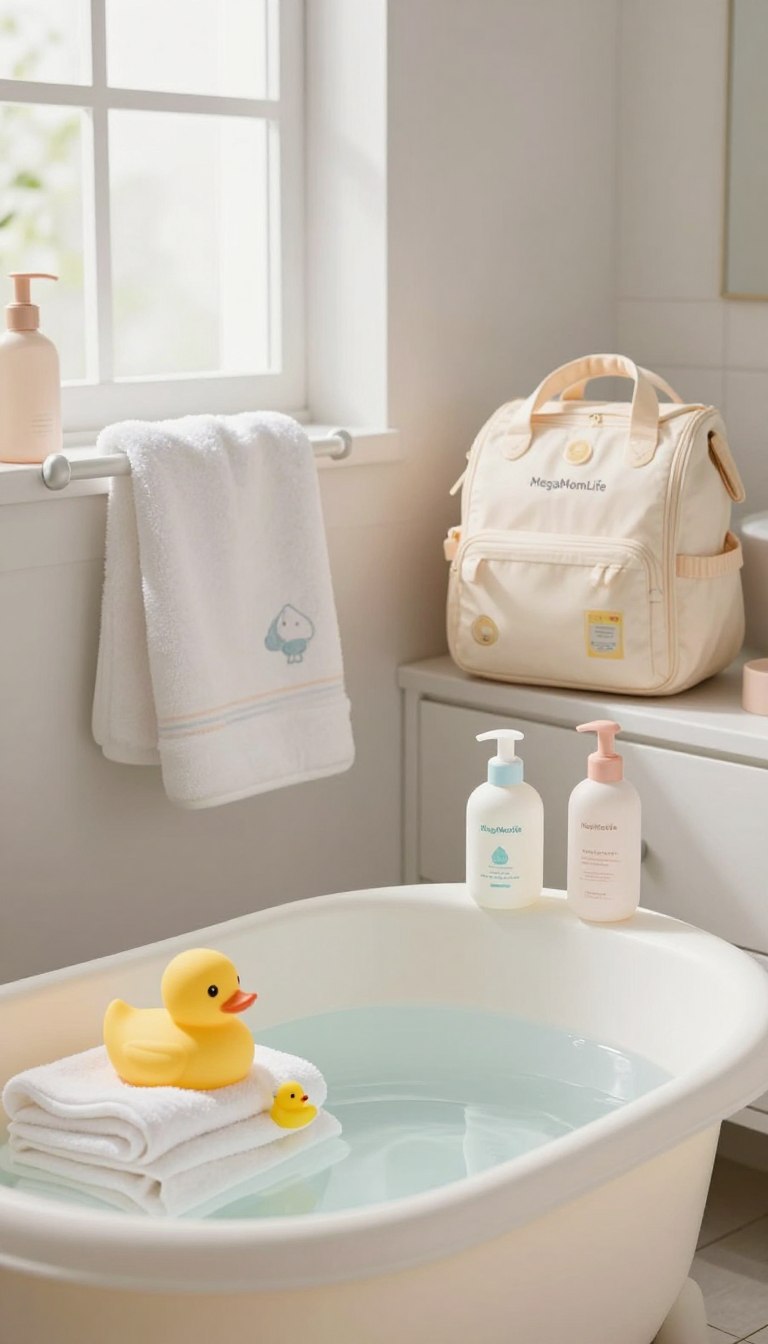
Bathing your little one is a special moment. It’s a time to bond, without distractions. Your tiny new family member will love the warm water on their skin.
As you prepare for this special moment, you might wonder what you need. And how to make it fun for both you and your little one. We’ll help you with essential tips and techniques for a successful bath time.
Key Takeaways
- Understand the importance of gentle skin care for your newborn.
- Learn how to create a safe and comfortable bathing environment.
- Discover the must-have essentials for a successful bath time.
- Get tips on how to make bath time a bonding experience.
- Find out how to keep bath time calm and stress-free.
The Importance of Proper Newborn Baby Bathing
Bathing your newborn is very important. It’s key to know when and how often to do it. It’s not just about keeping them clean. It’s also about making bath time safe and soothing for them.
When to Give Your Newborn Their First Bath
The World Health Organization says wait 24 hours for the first bath. This helps keep the baby warm and protects their skin with vernix caseosa.
But always listen to your doctor. They know what’s best for your baby.
How Often Should You Bathe Your Newborn
Bathing too much can dry out their skin. Bath your baby 2-3 times a week in the first few weeks. This keeps their skin from getting too dry or irritated.
Benefits of Regular and Proper Bathing
Regular baths are good for many reasons:
- They keep your baby clean and fresh.
- They help your baby relax and feel calm.
- They help you bond with your baby.
- They help start a daily routine.
They also let you check if your baby is healthy or if they have any skin problems.
| Bathing Aspect | Recommendation |
|---|---|
| First Bath Timing | Delay until 24 hours after birth |
| Bathing Frequency | 2-3 times a week |
| Benefits | Hygiene, relaxation, bonding, routine |
Essential Supplies for Newborn Baby Bathing
When you bathe your newborn, the right supplies are key. You want everything to be safe and fun for both you and your baby. Make sure you have all you need for a great bath time.
Choosing the Right Newborn Baby Bath Tub
Finding the right bath tub for your newborn is important. It should be safe, comfy, and easy to use. Look for a tub with a sloped, textured surface to stop slipping.
Popular choices include inflatable, collapsible tubs, and those with stands. Think about the space you have and how easy it is to clean.
Gentle Cleansers and Shampoos
Use gentle, fragrance-free cleansers and shampoos on newborns. Their skin is very sensitive. Choose products made just for babies, as they are less likely to cause irritation.
Newborn Baby Bath Towels and Washcloths
Soft, absorbent towels and washcloths are a must for bath time. Pick towels and washcloths that are gentle on your baby’s skin. Cotton or bamboo are good choices.
Have a few towels ready so you can use one while washing another. Washcloths should be soft and gentle. Opt for ones with a mild texture for your baby’s delicate skin.
Creating a Complete Newborn Baby Bath Set
A complete bath set for your newborn should have everything you need. This includes a baby bathtub, gentle cleansers, towels, washcloths, and a bathing support. You can buy a pre-assembled set or pick items yourself.
Having everything in one place makes bath time easier and more fun.
Setting Up the Perfect Bathing Environment
To make bath time safe and fun for your newborn, set up the right bathing area. This means thinking about a few important things. It helps make bath time good for you and your baby.
Creating a Warm and Safe Space
The bathing area should be warm and free from drafts. Make sure the room is comfy, around 75°F to 80°F (24°C to 27°C), before bathing. Also, the bathing surface must be stable and safe. Use a non-slip mat in tubs or sinks to stop slipping.
Water Temperature Guidelines
Water temperature is key for your newborn’s safety and comfort. The best water temperature is about 100°F (37.8°C). Use your elbow or the back of your hand to check; it should feel warm but not hot. Never use boiling water and mix it well before putting your baby in.
Organizing Your Supplies Within Reach
Before bathing, make sure all needed supplies are close. This includes gentle cleansers, soft towels, a clean diaper, and new clothes. Having everything ready helps you focus on your baby’s safety.
Newborn Baby Bathroom Ideas and Setup
Setting up a bathroom for your newborn is important. Think about the layout and safety. Use a dedicated newborn bath tub or a sink insert. Have a storage caddy for bath supplies and clear the floor of hazards. A bath thermometer is also a good idea to check the water temperature.
To make bath time more fun, you can:
- Play soothing music in the background
- Use gentle, soft lighting
- Keep the bath time short, for newborns
- Maintain a calm and patient demeanor
Newborn Baby Bathing Safety Precautions
Keeping your newborn safe during bath time is very important. It makes bath time fun for both you and your baby. Always put your baby’s safety first.
Common Mistakes to Avoid
There are some mistakes to avoid when bathing your newborn. These include:
- Not checking the water temperature before placing your baby in the bath
- Leaving your baby unattended, even for a moment
- Using harsh or abrasive products that can irritate your baby’s sensitive skin
- Not supporting your baby’s head and neck properly during the bath
Never Leave Your Baby Unattended
Never leave your baby alone in the bath. Always watch them closely. If you must leave, take your baby with you wrapped in a towel.
Preventing Slips and Falls
To stop slips and falls, make sure the bath tub or sink is safe. Use a non-slip mat at the bottom. Also, always support your baby’s head and body when moving them.
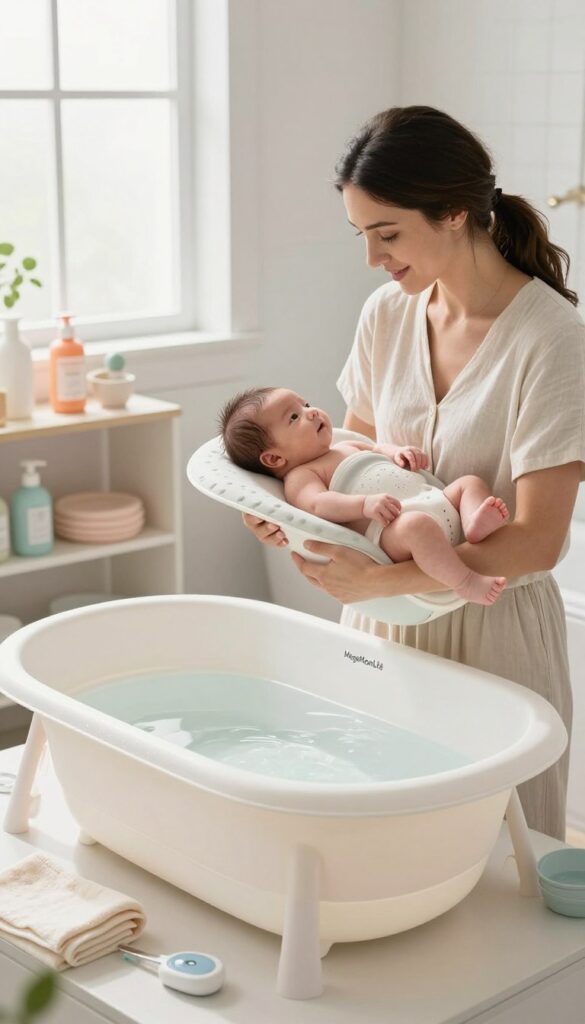
Maintaining Proper Water Temperature
The water should be just right for your baby. It should be around 98°F to 100°F. Test the water with your elbow or hand before putting your baby in. If it’s too hot or cold for you, it’s not right for your baby.
By following these tips, you can make bath time safe and fun for your baby. Always keep your baby’s safety in mind.
Step-by-Step Guide to Sponge Bathing a Newborn
Sponge bathing is a gentle way to keep your newborn clean. It’s safe and helps prevent infection. It’s perfect until the umbilical cord stump falls off.
Preparing for a Sponge Bath
Make sure the room is warm and draft-free. You’ll need a soft, clean washcloth, mild baby cleanser, warm water, and a dry towel.
To prepare for the sponge bath, follow these steps:
- Gather all necessary supplies.
- Fill a basin or sink with warm water.
- Undress your baby, keeping them wrapped in a towel to maintain their body temperature.
Cleaning the Face and Head
Start by gently cleaning your baby’s face and head. Use a soft, damp washcloth to wipe their eyes, nose, and mouth. Be careful not to touch the eyes with the same part of the washcloth used for the nose or mouth.
Washing the Body
Next, gently wash your baby’s body, starting from the neck and working your way down to the toes. Use a mild cleanser suitable for newborns, and be sure to clean all folds and creases.
| Body Area | Cleaning Tips |
|---|---|
| Neck and Shoulders | Gently wipe with a soft washcloth, paying attention to skin folds. |
| Chest and Abdomen | Use gentle circular motions to clean the area, avoiding the umbilical cord stump. |
| Arms and Legs | Wipe down the limbs, making sure to clean between fingers and toes. |
Drying and Dressing Your Baby
After washing, gently pat your baby dry with a soft towel. Pay extra attention to the areas between the folds of skin. Once dry, you can dress your baby in clean clothes.
Remember, the key to a successful sponge bath is to be gentle, thorough, and attentive to your baby’s needs. By following these steps, you’ll be able to keep your newborn clean and comfortable until they’re ready for a traditional bath.
Mastering Newborn Baby Bathing Techniques in a Tub
Getting ready to bathe your newborn in a tub is exciting. It’s a chance to bond and help them get used to water. But, it needs careful steps and attention.
Filling the Tub Properly
Make sure the water isn’t too deep. Aim for 2-3 inches deep. This is safe for your baby. Always check the water with your elbow or hand to make sure it’s warm, not hot.

Safely Placing Your Baby in the Water
To put your baby in the tub safely, start by supporting their head and body. Use one hand under their arms and around their head. Use the other hand to support their bottom. Lower them in feet-first to help them get used to the water.
Supporting Your Baby’s Head and Body
While your baby is in the tub, keep supporting them. Hold your hand under their head and shoulders. This keeps them safe and helps them relax.
Gentle Washing Techniques for Different Body Parts
When washing your baby, use gentle methods for their sensitive skin. Start with their face, using a soft cloth and clean water. For the rest of their body, use a mild baby wash or soap. Pay extra attention to areas like the diaper area. Clean all folds and creases gently.
By following these steps, you can make bath time safe and positive for your newborn. Remember, be gentle, supportive, and watch for your baby’s needs.
Post-Bath Care for Your Newborn
The moments after a bath are just as important as the bath itself. Proper post-bath care keeps your baby comfortable and healthy.
Drying Your Baby Thoroughly
Gently pat your baby dry with a soft, warm towel. Make sure to dry the neck, armpits, and groin area well. This prevents moisture buildup.
Tip: Use a gentle touch to avoid irritating your baby’s sensitive skin.
Applying Moisturizer and Diaper Cream
After drying, apply a moisturizer to keep your baby’s skin hydrated. For the diaper area, use a diaper cream to prevent diaper rash.
Dressing Your Baby After Bath
Choose comfortable, clean clothes that fit the temperature. Dressing in layers helps adjust to room temperature changes.
Umbilical Cord Care
Keep the umbilical cord area clean and dry. Clean it gently with a damp cloth during bath time. Then, dry it well. Avoid soaking the cord in water until it falls off.
| Post-Bath Care Task | Tips and Precautions |
|---|---|
| Drying | Gently pat dry, paying extra attention to skin folds. |
| Moisturizing | Apply moisturizer to keep skin hydrated. |
| Dressing | Dress in comfortable, clean clothes suitable for the temperature. |
| Umbilical Cord Care | Keep clean and dry, avoid submerging in water. |
Creating a Soothing Newborn Baby Bath Time Routine
A soothing bath time routine can change your life and your baby’s. It helps you relax and bond. It’s key for your baby’s comfort and growth.
Incorporating Gentle Massage
Gentle massage in the bath is great for your baby. It relaxes them and helps you bond. Use soft strokes on their skin, focusing on the back, arms, and legs.
Always use a baby massage oil or lotion without scent. This keeps their skin safe.

Using Bath Time for Bonding
Bath time is special for bonding with your baby. Skin-to-skin contact and gentle touch strengthen your bond. Look into your baby’s eyes, speak softly, and caress them gently.
Calming Techniques for Fussy Babies
Even with the best plans, babies can get upset in the bath. It’s good to know how to calm them down. Here are some tips:
- Softly singing or humming to your baby
- Gently swaying or rocking your baby
- Using a warm washcloth on your baby’s tummy or back
- Ensuring the water is not too hot or cold
Transitioning from Bath to Bedtime
A good bath routine leads to a peaceful night. Keep things calm, avoid bright lights and loud sounds. Dress your baby in comfy pajamas.
A gentle lullaby or soft white noise signals sleep time. This helps your baby relax and get ready for bed.
| Technique | Description | Benefits |
|---|---|---|
| Gentle Massage | Soft strokes on the baby’s skin during bath | Relaxation, bonding, aids development |
| Skin-to-Skin Contact | Direct contact between baby’s skin and parent’s skin | Strengthens emotional bond, comforts baby |
| Calming Techniques | Singing, swaying, warm washcloth | Soothes fussy babies, promotes calm |
| Gradual Transition | Maintaining calm atmosphere post-bath | Eases baby into sleep, peaceful bedtime |
Addressing Common Newborn Bathing Challenges
The first few weeks with a newborn can be tough. Bath time is no different. But, knowing how to tackle common problems can help a lot.
What to Do If Your Baby Hates Bath Time
Some babies love water, while others don’t. If your baby doesn’t like bath time, try to make it better. Sing softly or gently talk to them. Make sure the water is just right, not too hot or cold.
Dealing with Dry Skin and Cradle Cap
Dry skin and cradle cap are common in newborns. Use gentle, fragrance-free cleansers. Moisturize your baby’s skin after bath to help dry skin.
For cradle cap, gently massage your baby’s scalp with a soft brush or your fingers during bath. This helps loosen the scales.
Bathing a Squirmy or Crying Baby
If your baby is squirmy or crying during bath, stay calm and patient. Sometimes, a baby cries because they’re overwhelmed or uncomfortable. Check the water temperature and make sure your baby is safe.
When to Consult a Pediatrician About Bath-Related Concerns
If you see signs of infection, like redness or pus, around the umbilical cord or elsewhere, see your pediatrician. Also, if your baby shows distress during bath, it’s time to talk to a doctor. They can give advice that fits your baby’s needs.
Conclusion: Making Newborn Baby Bathing a Positive Experience
Making bath time fun for your baby is very important. It’s a special time for you to bond. By using the tips from this article, you can make bath time safe and fun.
Having the right things for bath time is key. Things like a gentle cleanser and a soft towel are important. As you get better at bath time, it will become a special moment for you and your baby.
Using the tips from this article will help make bath time great. It helps you create a soothing routine and strengthens your bond with your baby. Remember, every moment, like bath time, is a chance to care for your baby.
FAQ
How often should I bathe my newborn baby?
Newborns don’t need a bath every day. Two to three times a week is enough until they start playing. Bathing too much can dry out their skin.
What is the ideal water temperature for bathing a newborn?
The water should be between 98°F and 100°F (36°C to 38°C). Use a thermometer or test it with your elbow. It should feel warm, not hot.
What are the essential supplies needed for newborn baby bathing?
You’ll need a baby bath tub, gentle cleansers, soft washcloths, and towels. A baby bath seat can also be helpful for safety.
How can I make bath time a positive experience for my baby?
Make the bath warm and safe. Use gentle massage and bath time for bonding. Keep it short and adjust as your baby grows.
What are some common mistakes to avoid when bathing a newborn?
Never leave your baby alone in the bath. Use the right water temperature and support their head and body. Avoid harsh cleansers and be gentle.
How can I prevent slips and falls during bath time?
Use a non-slip bath tub or sink. Add a baby bath mat or stickers for grip. Always support your baby and never leave them alone.
What are some tips for bathing a squirmy or crying baby?
Stay calm and patient. Try gentle massage or white noise. Bathe them when they’re relaxed. Support their head and body, and adjust as needed.
How can I care for my baby’s umbilical cord during bath time?
Clean around the umbilical cord with a soft cloth. Avoid soaking the cord until it’s fully healed. Keep the area clean and dry.
When should I consult a pediatrician about bath-related concerns?
See a pediatrician for skin issues or infection. Also, if your baby is distressed or uncomfortable during baths. Or if you have health concerns.