
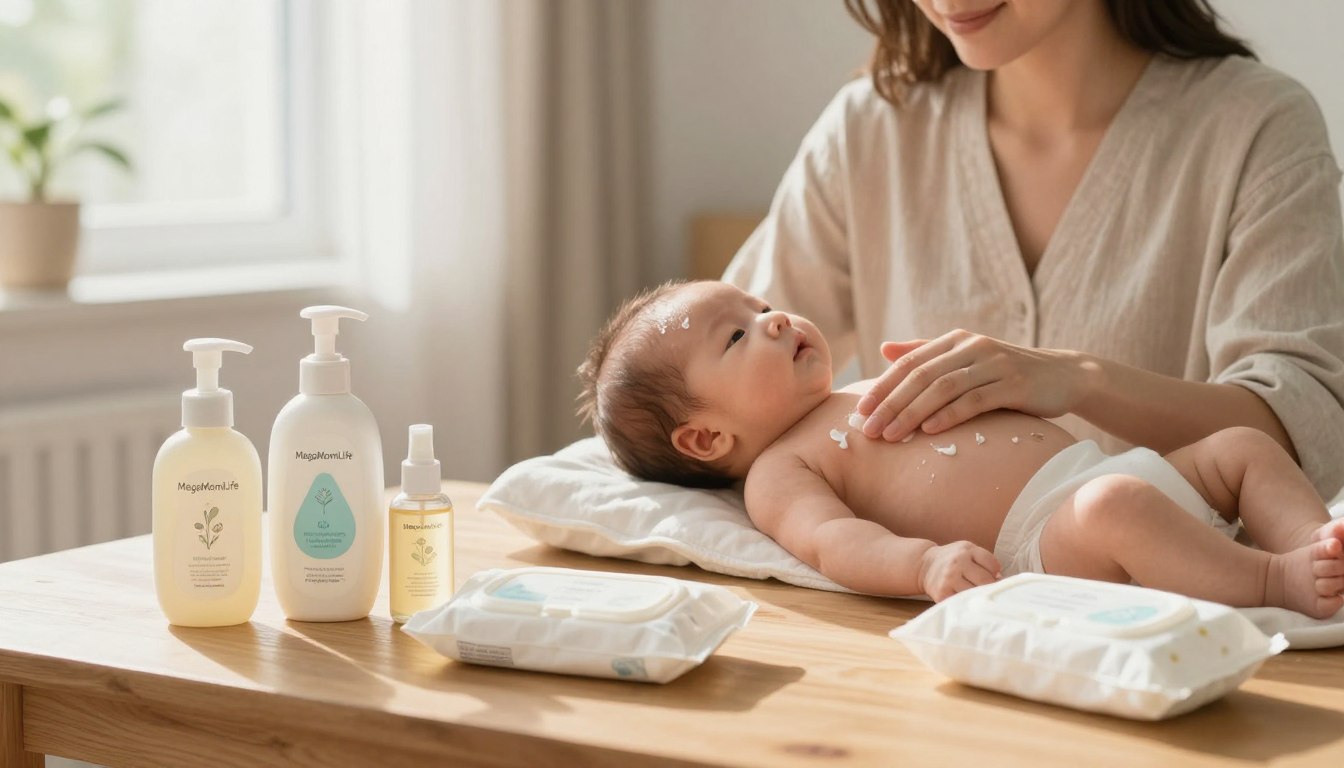
As a parent, caring for your newborn’s delicate skin can be tough. There are many products and tips out there. It’s hard to know where to begin.
Your baby’s skin is incredibly soft. But it’s also very sensitive. Their skin barrier is just starting to grow. So, it needs gentle, effective care.
In this guide, we’ll show you the essentials of newborn skin care. We’ll give you the knowledge and confidence. You’ll learn how to keep your baby’s skin healthy and happy.
Key Takeaways
- Understand the unique characteristics of your newborn’s skin.
- Learn how to choose the right baby skin care products.
- Discover best practices for bathing and moisturizing your baby’s skin.
- Identify common skin conditions and how to address them.
- Get tips on protecting your baby’s skin from irritation and damage.
Understanding Newborn Skin Types
Newborn skin is very thin and sensitive. It needs special care. Knowing your baby’s skin is important for their health.
The Unique Characteristics of Newborn Skin
Newborn skin is different from adult skin. It gets irritated and dry easily. This is why gentle care is important.
Key differences include:
- Thinner skin barrier
- Higher pH level
- Increased sensitivity
These traits make newborn skin more likely to get rashes and dryness. Using natural newborn skincare helps a lot.
Common Skin Conditions in Newborns
Newborns often get skin problems because their skin is so sensitive. These include baby acne, cradle cap, and diaper rash.
| Condition | Description | Care Tips |
|---|---|---|
| Baby Acne | Small red or white bumps on the face | Keep the face clean, avoid harsh products |
| Cradle Cap | Yellow or brown scales on the scalp | Gently massage with baby oil, use a soft brush |
| Diaper Rash | Redness and irritation in the diaper area | Change diapers frequently, use gentle products |
Knowing how to care for these conditions is key. Gentle and natural products help a lot.
Essential Ingredients for Baby Skin Care Products
As a parent, it’s important to check the ingredients in baby skin care products. This helps keep your baby’s skin healthy. With so many choices, it can be hard to know what’s best.
For baby care, keep it simple. Choose products without fragrances and that are hypoallergenic. This reduces the chance of skin irritation. The right ingredients help keep your baby’s skin healthy.
Moisturizers and Emollients
Moisturizers and emollients are key for your baby’s skin. They keep it hydrated and protected. These ingredients lock in moisture, soothe dryness, and help the skin’s barrier.
Key Benefits of Moisturizers and Emollients:
- Hydrate the skin
- Soothe dryness and irritation
- Support the skin’s natural barrier
| Ingredient | Benefits |
|---|---|
| Glycerin | Hydrates and soothes the skin |
| Ceramides | Supports the skin’s barrier function |
| Shea Butter | Nourishes and moisturizes the skin |
Natural Oils and Their Benefits
Natural oils are vital in baby skin care. They nourish, hydrate, and protect the skin. Coconut oil, olive oil, and jojoba oil are good examples.
Ingredients to Avoid
Some ingredients are not good for baby skin. Avoid harsh chemicals like sulfates, parabens, and alcohols. They can dry out and irritate the skin.
Ingredients to Avoid:
- Sulfates
- Parabens
- Essential Oils (in high concentrations)
- Alcohols
Choosing products wisely helps keep your baby’s skin healthy and happy.
Bathing Your Newborn: Best Practices
When bathing your newborn, it’s important to be gentle. Bathing is not just for cleanliness. It’s also a chance to bond and soothe your baby.
How Often Should You Bathe a Newborn?
Bathing too often can dry out your baby’s skin. It’s best to bathe them 2-3 times a week until they’re a few months old.
Start with 2-3 times a week and adjust as needed. This depends on their activity and skin type.
| Age | Bathing Frequency |
|---|---|
| 0-3 months | 2-3 times a week |
| 3-6 months | 3-4 times a week |
| 6 months and above | Daily or every other day |
Choosing the Right Baby Soap and Shampoo
Choosing the right soap and shampoo is key. Look for fragrance-free and hypoallergenic products. This helps avoid skin irritation.
“The best baby soap is one that is gentle, non-comedogenic, and free of harsh chemicals.”
For shampoo, pick a tear-free formula. This makes bath time more comfortable for your baby.
By following these tips, bath time can be a positive experience. It helps keep your baby’s skin healthy and strengthens your bond.
Diapering: Protecting Delicate Skin
Keeping your newborn’s skin safe from diaper rash is key. It’s not just about changing diapers. It’s about keeping things clean and preventing skin problems.
Recommended Diapering Products
Choosing the right diapering products is important. Look for diapers that are breathable and soft. Diapers with a wetness indicator are also helpful.
Using a protective barrier cream is a must. Creams with zinc oxide or petroleum jelly help protect your baby’s skin.
| Product Type | Key Ingredients | Benefits |
|---|---|---|
| Diapers | Breathable materials, soft layers | Prevents irritation, keeps skin dry |
| Barrier Creams | Zinc oxide, petroleum jelly | Protects against diaper rash, soothes skin |
| Wipes | Gentle cleansers, moisturizers | Cleans without irritating, moisturizes skin |
Tips for Preventing Diaper Rash
Preventing diaper rash needs good hygiene and the right products. Here are some tips:
- Change diapers often to keep the area clean and dry.
- Apply a protective barrier cream at every diaper change.
- Let your baby have diaper-free time to breathe.
- Be gentle when wiping your baby’s bottom. Avoid wipes with alcohol or fragrance.
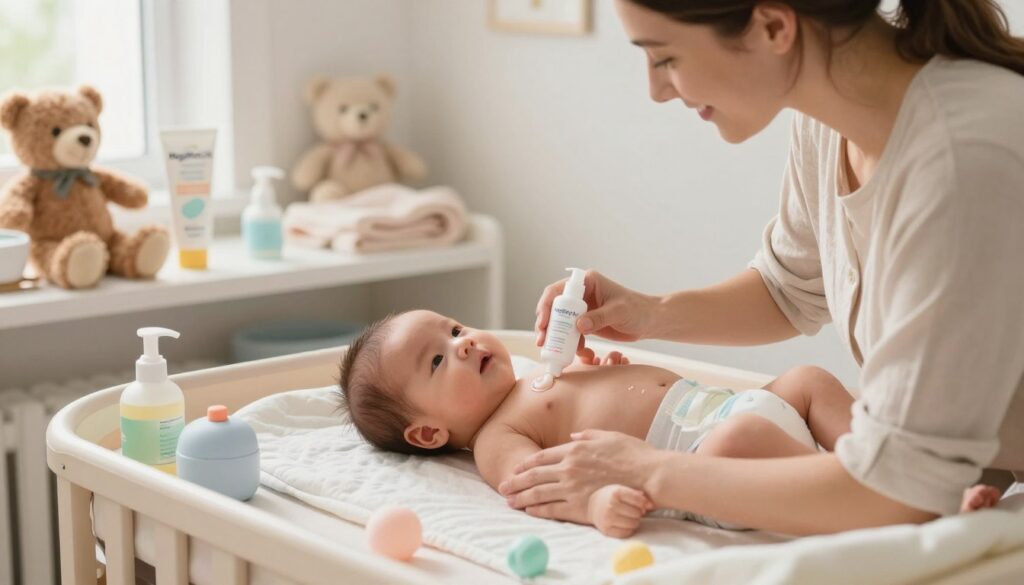
By following these tips and using the right products, you can lower the risk of diaper rash. This keeps your baby’s skin healthy and comfy.
Moisturizing Your Baby’s Skin
Moisturizing is key for your baby’s skin care. It keeps their skin healthy and stops dryness and irritation. You want to make sure you’re doing it right.
When and How to Moisturize
Moisturize your baby’s skin right after bath time, when it’s damp. This keeps it hydrated. Also, moisturize after diaper changes, if your baby has sensitive skin or gets diaper rash.
Tips for Effective Moisturizing:
- Use gentle, fragrance-free moisturizers for babies.
- Apply moisturizer in a thin layer, gently massaging it into the skin.
- Focus on areas that get dry, like elbows and knees.
Best Practices for Applying Creams and Ointments
When using creams and ointments, follow some best practices. This helps your baby’s skin absorb the product well.
| Product Type | Application Tip | Benefits |
|---|---|---|
| Creams | Apply a thin layer, gently massaging into the skin. | Provides hydration, suitable for most skin types. |
| Ointments | Apply a thicker layer for intense hydration. | Ideal for dry or irritated skin, offers long-lasting protection. |
By following these tips, you can keep your baby’s skin healthy and hydrated. Remember, every baby is unique. You might need to try a few things to find the best moisturizing routine for your baby.
Sun Protection for Newborns
It’s very important to know how to protect newborns from the sun. Their skin is very sensitive and needs extra care. Even though it’s best to keep them out of the sun, it’s good to know how to protect them later.
Understanding SPF and Its Importance
SPF stands for Sun Protection Factor. It shows how well a sunscreen blocks UVB rays, which cause sunburn. Choosing the right SPF is very important for sun protection. For newborns, use a sunscreen with at least SPF 30. But, the American Academy of Pediatrics says to keep babies under six months in the shade and use clothes instead.
When picking a sunscreen for your newborn, look for zinc oxide or titanium dioxide. They block the sun’s rays. Always talk to your pediatrician before using sunscreen on newborn skin.
| SPF Level | Protection Level | Recommended For |
|---|---|---|
| SPF 30 | Blocks 96.7% of UVB rays | Most skin types, including newborns (with pediatrician approval) |
| SPF 50 | Blocks 98.5% of UVB rays | Fair skin, outdoor enthusiasts |
Safe Sun Exposure Techniques
Newborns should not be in direct sunlight. But, it’s good to know how to protect them when they’re older. Dressing them in protective clothes, like hats and sunglasses, is a good start. Always look for shade, mainly during the hottest hours (10 am to 4 pm).

For older babies and toddlers, using sunscreen is key. Sunscreen is just one part of sun protection. Using sunscreen, clothes, and shade together is the best way to protect against the sun.
By following these sun protection tips, you can keep your child’s skin safe for a long time.
Identifying and Treating Common Skin Issues
Newborns often face skin problems. Knowing how to spot and treat them can ease your worries. You want your baby’s skin to be healthy and happy.
Issues like baby acne and cradle cap can worry you. But, with the right tips, you can handle them well.
How to Handle Baby Acne
Baby acne shows up as small bumps on the face. It’s caused by skin yeast and usually goes away in weeks.
To deal with it, wash the area gently. Don’t use harsh products or scrub too hard. Most of the time, it goes away by itself.
“Baby acne is a common condition that usually resolves on its own. Gentle skin care and avoiding harsh products can help manage it.”
Remedies for Cradle Cap
Cradle cap is a scaly patch on the scalp. It can be treated with regular washing and gentle care.
To treat it, gently brush your baby’s scalp during baths. Use baby-safe oil like coconut or olive oil to loosen scales. Also, shampooing with gentle baby shampoo helps.
| Remedy | Description | Benefits |
|---|---|---|
| Gentle Massaging | Massage your baby’s scalp gently during bath time | Helps loosen scales and improve circulation |
| Baby-Safe Oil | Apply a small amount of coconut or olive oil to the scalp | Helps loosen scales and moisturize the scalp |
| Regular Shampooing | Use a gentle baby shampoo regularly | Helps keep the scalp clean and reduce cradle cap |
Understanding and treating common skin issues helps keep your baby’s skin healthy. If you’re worried about your baby’s skin, always talk to your pediatrician.
Organic and Natural Skin Care Options
Parents now have many choices for their newborn’s skin. Organic and natural products are good. They help avoid harsh chemicals and irritation.
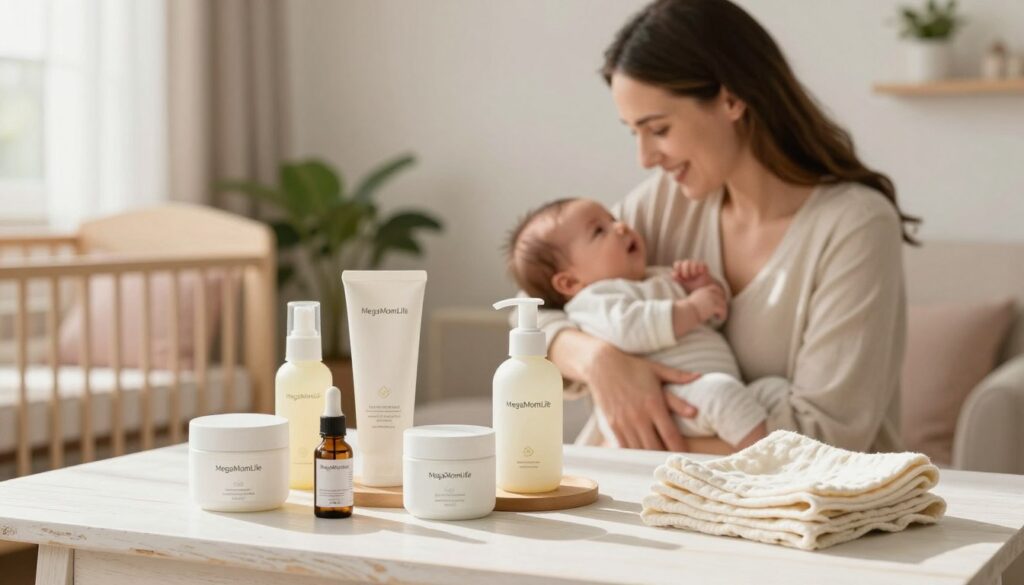
Popular Organic Brands for Baby Skin Care
Many brands are known for safe, gentle products for babies. Some top ones are:
- Certified Organic brands follow strict rules. They make sure products don’t have bad stuff.
- Brands use natural ingredients like coconut oil and aloe vera. These help keep skin soft and calm.
Benefits of Switching to Natural Products
Choosing natural products has many good points for your baby’s skin. Here are a few:
- They keep your baby away from bad chemicals.
- They are gentle, which helps avoid skin problems.
- They are good for the planet because they are made in a green way.
When picking natural or organic products, always check the labels. Look for special marks that show they meet high standards. This helps you choose the best for your baby’s skin.
Seasonal Skin Care Adjustments
Seasons change and so does your baby’s skin. You need to change how you care for their skin too. As the weather changes, so should your baby’s skin care.
Adjusting Your Routine for Winter
Winter is cold and dry, which dries out your baby’s skin. You must moisturize them well. Use a soft, scent-free moisturizer to keep their skin moist and safe from winter’s harshness.
Key Winter Skin Care Tips:
- Use a humidifier in your baby’s room to keep the air moist.
- Moisturize right after bath time to keep moisture in.
- Choose a moisturizer full of emollients and natural oils.
| Product | Winter Benefits |
|---|---|
| Gentle Moisturizer | Locks in moisture, protects against dryness |
| Humidifier | Maintains healthy air moisture levels |
Summer Skin Care Tips
In summer, keeping your baby safe from the sun is key. While it’s good to keep them in the shade, when outside, dress them up and use sunscreen with SPF 30.
“The key to protecting your baby’s skin in the summer is a combination of shade, clothing, and sunscreen. Always choose products that are gentle and suitable for their sensitive skin.”
Summer Skin Care Essentials:
- Dress your baby in light, covering clothes.
- Use a baby-friendly sunscreen and apply it often.
- Stay in the shade, mostly during the hottest times.
The Role of Pediatricians in Skin Health
Pediatricians play a big role in keeping your baby’s skin healthy. They do more than just give shots. They help with all baby care, like skin health.
When to Consult a Pediatrician
Wondering when to see a pediatrician for your baby’s skin? If your baby has unusual rashes, dry skin, or signs of infection, it’s time. Pediatrician advice can help figure out the problem and suggest treatments.
Here are some times to see a pediatrician:
- Severe diaper rash that doesn’t get better with home treatments
- Unusual skin lesions or rashes
- Signs of skin infection, like redness, swelling, or pus
Routine Check-ups for Skin Concerns
Regular skin health check-ups with your pediatrician are key. They check your baby’s skin, give skin care tips, and answer your questions.
| Check-up Frequency | Purpose | Benefits |
|---|---|---|
| Newborn (0-3 months) | Initial skin assessment | Find any skin problems early |
| Infant (3-12 months) | Ongoing skin health monitoring | Fix skin issues, offer skin care advice |
By teaming up with your pediatrician, your baby gets top-notch skin care. They’ll tackle any skin problems quickly and well.
Building a Skin Care Routine
Creating a simple skin care routine is important for your baby’s skin. Newborn skin needs gentle care. A good routine helps keep your baby’s skin healthy and happy.
Daily Regimen Steps
Bath your baby 2-3 times a week. Use gentle cleansers and lukewarm water. After bathing, apply fragrance-free lotion or cream to their skin.
For newborns, keep things simple and gentle. Focus on infant skincare routine that suits your baby.
Age-Appropriate Tips
As your baby grows, their skin care needs change. In the first few months, use gentle cleansers and moisturizers. As they get older, you can adjust the routine for dryness or sensitivity.
Be aware of your baby’s skin needs and adjust your routine. Try different products and techniques to find what works best for your baby.
FAQ
What are the unique characteristics of newborn skin?
Newborn skin is very delicate and sensitive. It’s also more open to the outside world. This makes it dry and easy to irritate.
How often should I bathe my newborn?
Bathe your newborn 2-3 times a week. This keeps their skin from losing its natural oils. As they grow, you can bathe them more often.
What are the best ingredients to look for in baby skincare products?
Choose products with coconut oil, shea butter, and olive oil. They moisturize and nourish your baby’s skin. Stay away from harsh stuff like fragrances and sulfates.
How can I prevent diaper rash?
Change diapers often and use a gentle cream. Also, give your baby time without a diaper to let their skin breathe.
What’s the best way to moisturize my baby’s skin?
Use a gentle moisturizer right after bath time. This keeps the skin moist and strong.
How can I protect my newborn’s skin from the sun?
Use sunscreen with SPF 30 and dress them in protective clothes. Stay in the shade and avoid direct sun.
What are some common skin conditions in newborns, and how can I treat them?
Baby acne and cradle cap are common. Use gentle products and techniques to treat them. For acne, keep the face clean and avoid harsh products. For cradle cap, massage a gentle oil into the area.
Are organic and natural skincare products better for my baby’s skin?
Yes, they’re good for sensitive skin. Choose products without harsh chemicals and artificial stuff. Look for brands that use natural ingredients.
How can I adjust my baby’s skincare routine for different seasons?
In winter, use a humidifier and rich moisturizer. In summer, use light products and sunscreen.
When should I consult a pediatrician about my baby’s skin concerns?
If you see redness, irritation, or rashes, talk to your pediatrician. They can help figure out what’s wrong and how to fix it.
How can I create a skincare routine that works for my whole family?
Start with gentle cleansing, moisturizing, and sun protection. Adjust it for your baby’s age and needs. Make it a family affair to keep everyone’s skin healthy.