
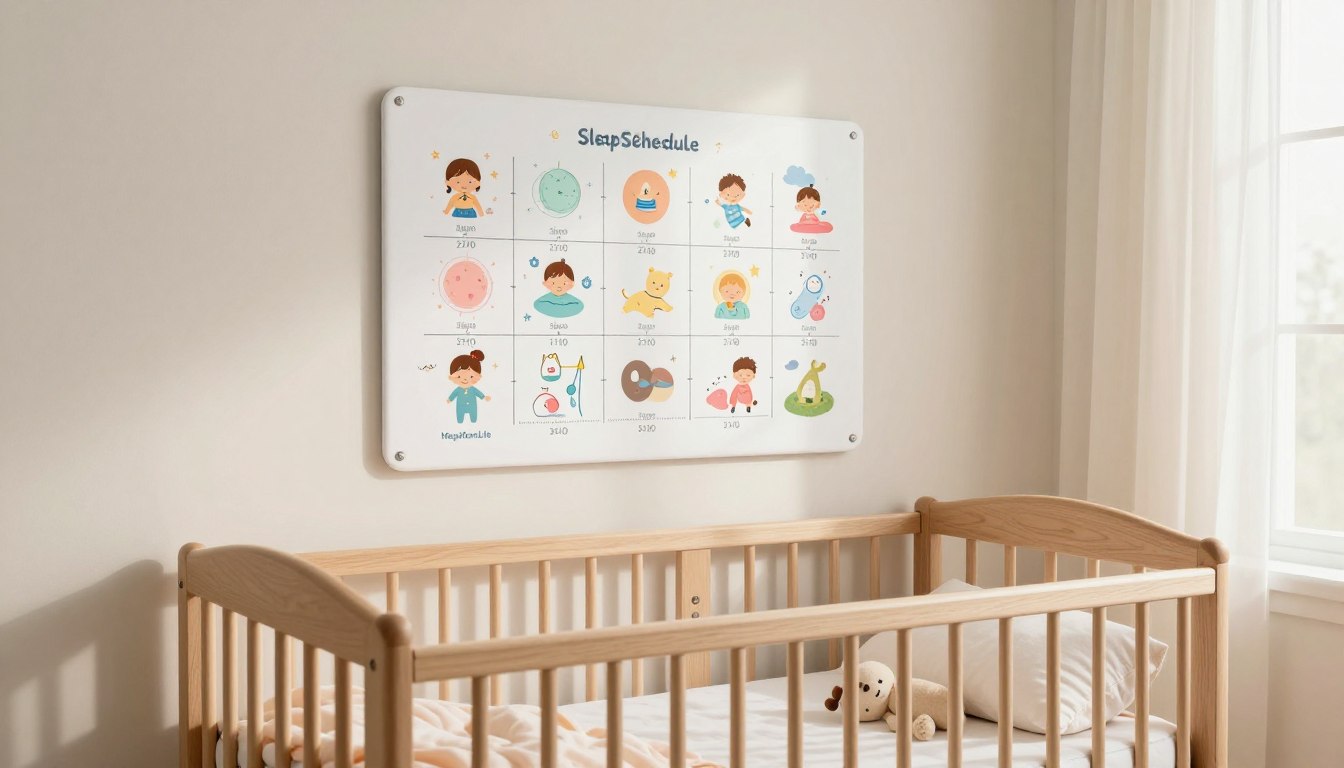
As new parents, you’re likely worried about your baby’s sleep. A good night’s sleep is key for their growth. Newborns need 14-17 hours of sleep each day.
We know it’s tough to help your baby sleep well. That’s why we’re here to help. We’ll talk about newborn sleep patterns and share newborn sleeping tips to help your baby sleep better.
Key Takeaways
- Understanding the importance of sleep for newborns’ development
- Establishing a baby sleep schedule to improve sleep quality
- Practical tips to help your baby sleep better
- Recognizing normal newborn sleep patterns
- Creating a sleep-conducive environment for your baby
Understanding Newborn Sleep Patterns
Figuring out your newborn’s sleep patterns is important. It helps create a routine for everyone. Many new parents wonder how to help their baby sleep better.
What to Expect in the First Few Weeks
Newborns sleep in short bursts, waking up often for food and comfort. Their small stomachs need to eat a lot. Expect your baby to sleep for 2 to 4 hours before waking up again.
Being flexible is key in these early days. Newborns don’t know day from night. Their sleep is spread out over 24 hours. Remember, this phase is short, and your baby’s sleep will get better with time.
Sleep Cycle Differences in Newborns
Newborns sleep more in active sleep, or REM sleep. This stage has rapid eye movements and brain activity. It might look like they’re moving a lot, but it’s good for them.
Knowing about these sleep cycles helps you meet your baby’s needs. Newborns have shorter sleep cycles than adults. They go through different sleep stages more often.
| Sleep Stage | Newborns | Adults |
|---|---|---|
| REM Sleep | 50-60% | 20-25% |
| Non-REM Sleep | 40-50% | 75-80% |
| Sleep Cycle Duration | 20-30 minutes | 90-120 minutes |
By knowing these differences, you can help your baby sleep better. As your baby grows, their sleep will change. Being aware of these changes helps with infant sleep training.
Creating a Safe Sleep Environment
A safe sleep space is key for newborns. As a parent, you must make sure your baby’s sleep area is safe. This helps them sleep well.
Ideal Room Temperature
Keeping the room at the right temperature is important. The American Academy of Pediatrics says it should be between 68-72°F (20-22°C). This keeps your baby safe from Sudden Infant Death Syndrome (SIDS).
Use a room thermometer to check the temperature. Dress your baby in layers. This way, you can adjust their clothes to keep them comfy.
Choosing the Right Crib
The crib is a big part of your baby’s sleep area. Make sure it meets safety standards. Use a firm, flat mattress and a sheet that fits tight.
| Crib Safety Feature | Description | Importance |
|---|---|---|
| Firm Mattress | A mattress that is firm and flat | Reduces the risk of SIDS |
| Tight-Fitting Sheet | A sheet that fits snugly over the mattress | Prevents entanglement and suffocation |
| No Soft Bedding | Avoiding blankets, pillows, and toys in the crib | Reduces the risk of SIDS and suffocation |
By focusing on these points, you can make a safe sleep area for your newborn. A safe sleep area is not just about the crib. It’s also about the whole place where your baby sleeps.
Establishing a Sleep Routine
It’s very important to set up a sleep routine for your newborn. This helps them learn to sleep well. A routine tells your baby it’s time to sleep, making it easier for them to relax.
Benefits of a Consistent Schedule
A regular sleep schedule is great for your newborn. It helps their body know when to sleep. This can reduce nighttime wakings and make sleep better for everyone.
- Regulates internal clock
- Improves sleep quality
- Reduces nighttime wakings
Sample Newborn Sleep Schedule
Setting up a sleep schedule for your newborn can be tough. But here’s a sample to help:
| Time | Activity |
|---|---|
| 7:00 AM | Wake up and feeding |
| 9:00 AM | Nap time |
| 11:00 AM | Feeding and playtime |
| 1:00 PM | Nap time |
| 3:00 PM | Feeding and playtime |
| 5:00 PM | Nap time |
| 7:00 PM | Bath time and bedtime routine |
| 8:00 PM | Sleep |
This is just a sample. You can change it to fit your baby’s needs. The most important thing is to have a consistent routine that works for you and your baby.
By setting up a sleep routine, you help your newborn sleep better. You also make sleep better for your whole family. Be patient and flexible. It might take time for your baby to get used to the new routine.
Recognizing Sleep Cues in Newborns
Learning to spot sleep cues in newborns is key for better sleep for everyone. As parents, knowing when your baby is tired helps a lot. It makes their sleep better.
Signs of Sleepiness
Newborns show certain signs when they’re sleepy. Some common signs of sleepiness are:
- Yawning
- Rubbing their eyes
- Becoming less active
- Fussing or becoming irritable
Spotting these cues helps your baby settle down faster. It also helps start a good sleep routine.

Common Sleep Disruptors
Many things can mess up a newborn’s sleep. Some common sleep disruptors are:
- Too much noise or bright lights
- Being too hot or cold
- Being hungry or thirsty
- A dirty diaper
Knowing these disruptors helps you make your baby’s sleep area better. This means less noise, the right temperature, and a dark room.
Techniques for Soothing Your Newborn
Learning to calm a crying newborn is very important. It’s not just about stopping the crying. It’s about making your baby feel safe and comfortable. We will look at some good ways to do this.
Swaddling Your Baby
Swaddling wraps your baby snug in a blanket. It makes them feel safe and cozy, like in the womb. This method is very helpful.
- Use a lightweight blanket to avoid overheating.
- Ensure the blanket is wrapped snugly but not too tight, allowing for hip movement.
- Keep the swaddle loose around the chest to allow for easy breathing.
Swaddling your baby right can calm them down. It helps them feel secure.
The Power of White Noise
White noise is great for soothing babies. It covers up other sounds that might bother them. You can make white noise with a fan, a machine, or an app.
Benefits of White Noise:
- Helps mask background noises that can disturb your baby.
- Creates a consistent sleep environment.
- Can be very effective in helping your newborn fall asleep and stay asleep.
Using these methods can make your home quieter. This helps your baby and you sleep better.
Feeding and Sleep Correlation
The link between feeding and sleep in newborns is complex. As parents, knowing this can help you support your baby’s sleep.

Feeding Before Sleep
Feeding your newborn before sleep can help them sleep better. A full stomach makes them feel comfortable and secure.
Here are some tips for feeding before sleep:
- Make a calming pre-sleep feeding routine to signal sleep time.
- Keep the feeding area quiet and dimly lit for relaxation.
- Avoid too much stimulation during feeding to keep calm.
Impact of Feeding Choices on Sleep
Choosing between breastfeeding and formula feeding affects sleep. Some parents find one works better for their baby’s sleep.
Considerations for Breastfeeding:
- Breast milk is easy to digest, leading to more feedings.
- More breastfeeding can mean more nighttime wakings.
Considerations for Formula Feeding:
- Formula is digested slower, leading to longer sleep.
- Some formulas help keep babies fuller for longer sleep.
Finding a feeding method that works for you and your baby is key. It supports their sleep health.
The Role of Daytime Activities
Daytime activities are key for our newborn’s sleep and growth. It’s important to find a good balance between rest and play. This helps our baby grow strong and healthy.
Importance of Tummy Time
Tummy time is very important for our baby’s body. It makes their neck and back muscles strong. It also helps their motor skills and prevents flat spots on their back.
Start with short tummy time sessions. Then, slowly increase the time as your baby gets used to it. You can make it fun by placing toys just out of reach. This helps their body and brain grow.
Balancing Sleep and Wake Time
Finding the right mix of sleep and wake time is key. During the day, have a routine with wake and nap times. This helps your baby know day from night, which can help with nighttime sleep.
| Age | Wake Time | Nap Time |
|---|---|---|
| 0-3 months | 45-60 minutes | 1-2 hours |
| 4-6 months | 2-3 hours | 2-3 hours |
Understanding tummy time and sleep balance is important. It helps create a better sleep environment for our newborn. This balance supports their growth and can help the whole family sleep better.
Managing Nighttime Wake-Ups
Newborns often wake up at night. Knowing how to respond helps you and your baby sleep better. Nighttime wake-ups are normal in infancy. But, there are ways to handle them well.
Responding to Your Baby’s Needs
When your baby wakes up, it’s key to comfort them without too much stimulation. Keep the lights dim and speak softly. This tells your baby it’s time to sleep.
- Check if your baby’s diaper needs changing.
- Ensure your baby is not too hot or cold.
- Offer a feeding session if your baby is hungry.
By being calm and gentle, you help your baby learn to sleep better. They might even sleep through the night soon.
Strategies for Getting Back to Sleep
After taking care of your baby, it’s important to get them (and you) back to sleep fast. Establishing a bedtime routine helps signal sleep time. Also, making the room sleep-friendly is key.
- Use white noise machines to block out other distracting sounds.
- Maintain a consistent room temperature.
- Ensure the room is dark or use a nightlight if necessary.
Using these strategies can reduce nighttime wake-ups. It helps create a peaceful sleep space for you and your baby.
When and How to Phase Out Night Feedings
Knowing when to stop night feedings is important. As your baby grows, they need less food at night. What they needed before might not be needed anymore.
Assessing Readiness
Before stopping night feedings, check if your baby is ready. Look for these signs:
- Your baby is over 4-6 months old.
- They are gaining weight well and don’t need night feedings for food.
- They can sleep longer without needing to eat.
If your baby shows these signs, it might be time to stop night feedings. But remember, every baby is different.
Gradual Reduction Techniques
Phasing out night feedings should be done slowly. Here are some ways to do it:
- Reduce the Volume: Start by giving less food at night. For example, if you give 6 oz, try 4 oz or 2 oz for a few nights.
- Increase the Interval: Make the time between feedings longer. If your baby eats every 3 hours, try 3.5 or 4 hours.
- Change the Routine: If feeding makes your baby sleepy, change your bedtime routine. Try a warm bath or reading a book instead of feeding.
Stopping night feedings takes time and patience. Keeping a feeding diary helps track progress. By slowly reducing night feedings, your baby can adjust to a new schedule that’s better for everyone.
Tips for Parents’ Sleep Hygiene
Good sleep hygiene can change your life as a new parent. It’s key to care for your baby well. You need to sleep well to stay healthy.
Prioritizing Your Sleep
Getting enough sleep is very important for new parents. It helps you take care of your baby better. Here are some sleep tips for you:
- Make a sleep schedule to keep your body clock regular.
- Make your bedroom dark, quiet, and comfy.
- Don’t do exciting things before bed, like TV or phones.
Creating a Restful Environment for Parents
Make your bedroom a restful environment to sleep better. Think about these:

Get blackout curtains, earplugs, or a white noise machine. Also, choose comfy mattresses and pillows.
By focusing on sleep and a cozy bedroom, you’ll face parenthood better. Taking care of yourself is not selfish. It’s key to being a happy, healthy parent.
Common Sleep Issues and Solutions
Many parents face challenges with their newborn’s sleep. Several factors can affect how well your baby sleeps. We’ll look at common sleep issues and solutions.
Overstimulation and Its Effects
Overstimulation can make it hard for your newborn to sleep. When your baby is too stimulated, they can’t relax. Creating a calm environment is key.
Reduce noise and dim lights. Try gentle motions like swaying or rocking to soothe your baby.
Dealing with Colic and Its Impact on Sleep
Colic can also disrupt your newborn’s sleep. Knowing what causes colic and how to soothe your baby is important. The exact cause of colic is unknown, but gas and digestive issues might play a part.
Keeping your baby upright after feedings helps. Using gas drops can also ease discomfort. A calming pre-sleep routine signals it’s time to sleep.
When to Seek Professional Help
If you worry about your newborn’s sleep, knowing when to get help is key. Sleep problems or other signs might mean there’s a bigger issue.
Identifying Potential Sleep Issues
Look out for signs like hard breathing, odd sleep poses, or being very cranky. If you see these, talking to a pediatrician is important. They can check for health problems.
Benefits of Consulting a Pediatrician
A pediatrician can give you special advice to help your baby sleep well. They check your baby’s health, find sleep problems, and give advice just for you. Getting help is a big step for your baby’s sleep and health.
FAQ
How can I help my newborn develop a healthy sleep pattern?
Start with a regular sleep routine. Make their sleep area comfy. Watch for sleepy signs.
What is the ideal room temperature for a newborn’s sleep?
Keep the room at 68-72°F (20-22°C). This makes sleep safe and cozy.
How often should I feed my newborn before sleep?
Feed them before bed to keep them full. How often depends on their age and needs.
What are some common sleep disruptors for newborns?
Things like too much noise, hunger, and being uncomfortable can wake them. A calm space and meeting their needs helps.
How can I soothe a fussy newborn and help them sleep?
Try swaddling, white noise, and gentle rocking. These can calm them down and help them sleep better.
When can I start phasing out night feedings for my newborn?
When to stop night feedings varies by baby. Always check with a doctor for advice.
How can I prioritize my own sleep hygiene as a new parent?
Stick to a sleep schedule and make your sleep area quiet. Rest when your baby does.
What are the signs of sleep disorders in newborns, and when should I seek professional help?
Look for ongoing sleep issues, breathing problems, and other red flags. Talk to a doctor if worried.
How can I balance my newborn’s sleep and wake time to support their overall development?
Mix sleep and wake times well. Activities like tummy time boost growth.
What are some strategies for managing nighttime wake-ups and getting back to sleep?
Meet their needs quietly. Keep nights calm. Avoid exciting activities.
How can I create a safe sleep environment for my newborn?
Use a firm mattress and tight sheet. Avoid soft stuff and loose things. Keep the room comfy.