
Pregnancy Dos and Don’ts For Moms: As an expectant mother, you’re not just growing a baby. You’re also nurturing a new life. It’s natural to have concerns about what to do and what not to do during this time. Our guide is here to help you navigate the essential dos and don’ts of pregnancy, ensuring a healthy and safe journey for you and your growing baby.
Before your little bundle of joy arrives, you’re responsible for creating a nurturing environment. We will illuminate what you should worry about and what you shouldn’t fret over. We provide you with reassurance and emotional support every step of the way.
Key Takeaways
- Understand the essential dos and don’ts for a healthy pregnancy
- Learn how to create a nurturing environment for your growing baby
- Discover prenatal care recommendations for expectant mothers
- Get guidance on managing common pregnancy concerns
- Find emotional support and reassurance throughout your pregnancy journey
Understanding Pregnancy: The Basics
Starting this amazing journey, knowing what to expect can make you feel more ready. Pregnancy changes your body and life a lot.
What Happens During Pregnancy?
Your baby grows a lot during pregnancy. It’s split into three parts, each with big changes. Your body changes a lot to help your baby grow.
Key Trimesters Explained
The three trimesters are very important for your baby’s growth. Here’s a quick look:
| Trimester | Weeks | Key Developments |
|---|---|---|
| First | 1-12 | Organ formation, heartbeat visible on ultrasound |
| Second | 13-26 | Sensory development, motor skills, and gender determination |
| Third | 27-40 | Final development stages, preparation for birth |
Physical and Emotional Changes
You’ll go through many changes during pregnancy. These include morning sickness, tiredness, mood swings, and a bigger belly. Knowing these changes can help you deal with them better.
Some common physical changes are:
- Increased blood volume and heart rate
- Hormonal changes
- Weight gain and body changes
Emotionally, you might feel excited, anxious, and eager. Eating well and staying active can help with these feelings.
Knowing what to do and not to do during pregnancy makes your journey better for you and your baby.
Essential Dos for Expecting Moms
Being ready is important for a healthy pregnancy. There are key things expecting moms should do. These practices help make your pregnancy and baby’s arrival great.
Prioritize Prenatal Care
Prenatal care is the base of a healthy pregnancy. Going to regular check-ups is important. It lets your healthcare provider watch your baby grow and solve any problems early.
Maintain Nutritious Diet
Eating well is very important. Eat lots of fruits, veggies, whole grains, lean proteins, and healthy fats. This keeps you and your baby healthy.
Stay Hydrated and Active
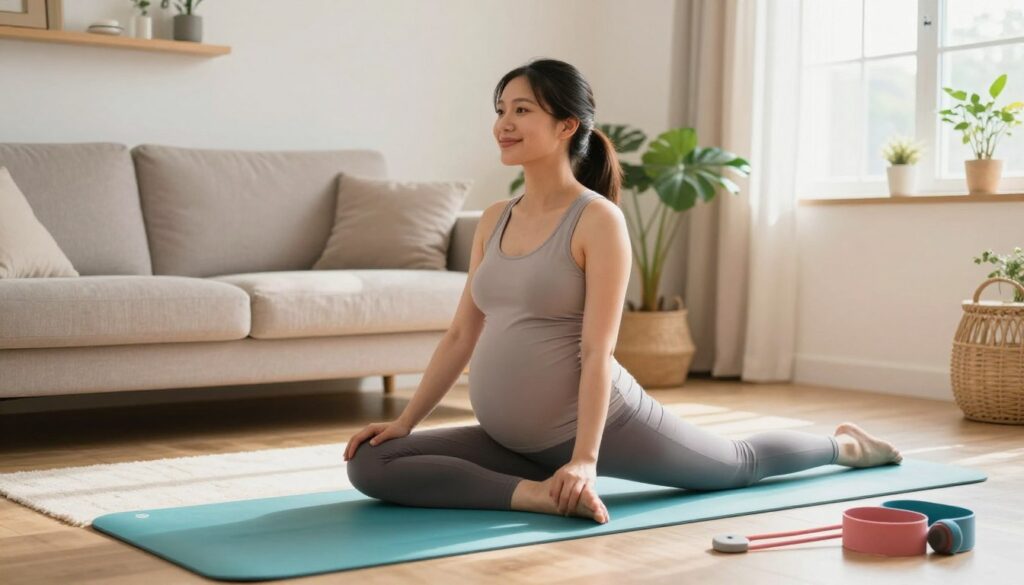
Drinking lots of water is key for you and your baby. Try to drink at least eight glasses a day. Also, doing some exercise like walking or prenatal yoga is good for you.
Educate Yourself About Childbirth
Knowing about childbirth can make you feel better. Take classes or read good books about it. This helps you get ready for what’s coming.
| Essential Dos | Benefits |
|---|---|
| Prioritize Prenatal Care | Monitors baby’s development, addresses complications |
| Maintain Nutritious Diet | Provides essential nutrients for mom and baby |
| Stay Hydrated and Active | Supports physical and mental health |
| Educate Yourself About Childbirth | Prepares mom for childbirth, reduces anxiety |
By doing these important things, expecting moms can have a healthy pregnancy.
Common Don’ts to Avoid
Knowing what not to do during pregnancy is key. As an expecting mom, you’re caring for yourself and a tiny human. They depend on you completely.
Say No to Alcohol and Tobacco
Drinking alcohol can harm your baby. It can cause Fetal Alcohol Syndrome (FAS). This includes low birth weight and learning problems. Smoking also risks premature birth and Sudden Infant Death Syndrome (SIDS). Stopping these habits is hard but very important for a healthy pregnancy.
Avoid Certain Foods
Some foods can be risky for your baby. Avoid raw meats and fish with high mercury. This includes shark, swordfish, and king mackerel. Also, stay away from unpasteurized dairy. Keeping food safe is key for a healthy pregnancy.
Stay Away from Harsh Chemicals
Harsh chemicals can be dangerous. They’re in some cleaning products, pesticides, and cosmetics. Choosing natural or organic products can help avoid these dangers. Always check labels for safety during pregnancy.
By avoiding these common mistakes, you can make a safer space for your baby. This helps them grow and develop healthily.
Physical Activity Guidelines for Moms
Being active is good for you when you’re expecting. It can help with back pain and constipation. It also lowers your risk of diabetes and preeclampsia.
Safe Exercises During Pregnancy
It’s important to choose safe exercises. Brisk walking, swimming, and prenatal yoga are great. They keep you healthy and ready for childbirth.
- Brisk Walking: Improves heart health and mood.
- Swimming: Offers a low-impact workout for your whole body.
- Prenatal Yoga: Boosts flexibility, balance, and calmness.
Activities to Avoid
Some activities are not safe during pregnancy. Avoid high-impact exercises and sports that could hurt you or your baby. Also, stay away from activities where you might fall.
- High-Impact Exercises: Steer clear of heavy bouncing or jumping.
- Contact Sports: Sports like soccer and basketball are too risky.
- Activities with Falling Risk: Avoid horseback riding and skiing.
Importance of Listening to Your Body
Listening to your body is key during pregnancy. If you feel pain or trouble breathing, stop right away. Also, drink plenty of water and avoid getting too hot.
| Signs to Stop Exercising | Actions to Take |
|---|---|
| Dizziness or Fainting | Stop immediately and rest. |
| Chest Pain or Shortness of Breath | Seek medical attention. |
| Vaginal Bleeding or Fluid Leakage | Contact your healthcare provider. |
By following these tips and listening to your body, you can have a healthy and active pregnancy.
Managing Stress During Pregnancy
Having a baby brings many feelings. Learning to handle stress is important for a healthy pregnancy. Your body changes a lot, so finding ways to deal with stress is key.
Practice Relaxation Techniques
Relaxation techniques are great for stress. Deep breathing exercises calm your mind and body. Try progressive muscle relaxation too, by tensing and relaxing muscles.
Mindfulness meditation is also helpful. It keeps you in the moment, reducing worries. You can find guided meditations online or on apps for moms-to-be.
Don’t Overcommit Yourself
It’s easy to get excited about preparing for your baby. But, don’t take on too much. Prioritize your tasks and focus on what’s most important. Saying “no” to things that stress you out is okay.
Remember, taking care of yourself is not selfish. It’s important for your health and your baby’s. By setting realistic goals and keeping a balanced schedule, you can reduce stress and enjoy this time.
Coping with Anxiety and Fears
It’s normal to feel some anxiety or fear during pregnancy. Talking to your healthcare provider can help. They can offer guidance and support.
Connecting with other moms-to-be is also helpful. Join support groups or online communities. Sharing your experiences can make you feel less alone.
Sleep can be hard to find during pregnancy. Take naps if you’re tired. This can help manage stress and keep you rested for what’s ahead.
Nutrition Tips for a Healthy Pregnancy
Eating well is key for a healthy pregnancy and your baby’s growth. The right foods help your baby grow and keep you healthy.
“Good nutrition is very important during pregnancy,” it helps your baby grow well. A healthy diet also keeps you healthy and prevents problems.
Essential Nutrients for Moms
Your body needs more nutrients when you’re pregnant. Key nutrients include folic acid, iron, calcium, and protein. Folic acid prevents birth defects, iron makes red blood cells, calcium is for bones, and protein helps with growth.
Foods to Embrace
Eat a variety of whole foods for the nutrients you need. Eat lots of fruits, vegetables, whole grains, lean proteins, and dairy. These foods are full of vitamins and minerals that are good for a healthy pregnancy.
- Fruits and vegetables for vitamins and fiber
- Whole grains for complex carbohydrates and fiber
- Lean proteins like chicken and fish for protein
- Dairy products for calcium
Supplements and Their Importance
Prenatal vitamins help fill any nutritional gaps. They have more folic acid, iron, and calcium. While a good diet is important, prenatal vitamins give extra support for a healthy pregnancy.
“Prenatal vitamins help fill nutritional gaps and support the health of both mom and baby,” says Dr. Emily, an OB-GYN specialist. “They are an important part of a complete prenatal care plan.”
By eating well and using supplements when needed, you can have a healthy pregnancy and support your baby’s growth.
The Role of Support Systems
Support systems are key for a smooth pregnancy. As a mom-to-be, having people to support you emotionally, physically, and with info is very helpful.
Partner Involvement
Your partner is a big help during pregnancy. Partner involvement means going to doctor visits and helping with chores. It’s important for them to be involved to strengthen your bond and get ready for being parents.
Talking openly with your partner about what you need and want is important. This keeps your relationship strong and makes sure you’re both ready for the baby.
Seeking Support from Family and Friends
Family and friends are also a big help. They can offer emotional support, help with tasks, and share their own experiences. It’s good to feel like you can ask for help from your loved ones.
Having a network of supportive people can make you feel less stressed and anxious. Talking to a mom, sister, or friend can really help.
Joining Parenting Groups
Joining parenting groups is another great idea. These groups let you meet other moms, share stories, and get advice. Being part of a community that gets what you’re going through can really lift your spirits.
These groups can be found online or in your area. They’re great for getting info, emotional support, and making friends.
In short, having a strong support system is essential for expectant moms. With the help of partners, family, friends, and parenting groups, you can feel more confident and less stressed during pregnancy.
Pregnancy Health Myths Debunked
It’s hard to know what’s true during pregnancy because of all the wrong info out there. As a mom-to-be, you want to be safe and know what’s best for you and your baby.
Common Misconceptions
Old myths about pregnancy can worry or make you feel safe when you’re not. For example, some think catching a cold or flu can hurt the baby. But, most colds and flu are okay for the fetus. It’s important to stay healthy by washing your hands often and resting a lot.
Another myth is that you should eat twice as much. While you do need more nutrients, eating too much can make you gain too much weight. Eat foods that are good for you and your baby instead.
Facts vs. Fiction
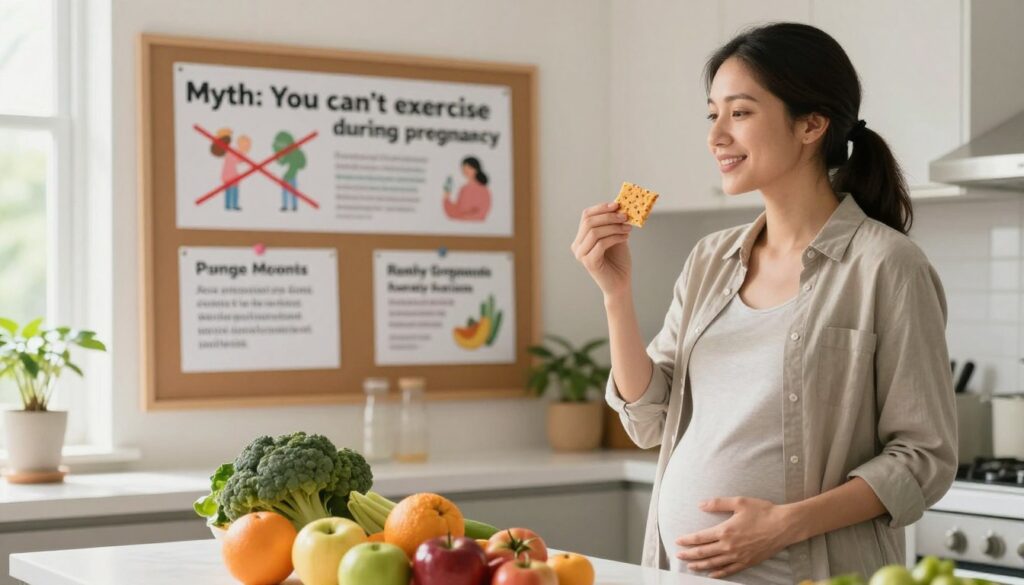
Knowing what’s real and what’s not is key to a healthy pregnancy. For instance, it’s not true that you should avoid exercise. Pregnancy safety tips often include staying active, like walking or swimming. But, always check with your doctor before starting any new exercise.
Some think you should avoid foods like spicy dishes or caffeine. While it’s true to limit some foods, a little bit is usually okay. Just know what’s safe and what’s not by listening to your doctor and trusted health sites.
Trusted Sources for Information
With so much info online, it’s easy to get lost. To stay safe, trust trusted sources. Your doctor and websites from places like the American Pregnancy Association are great places to start.
When looking for info online, choose sites with good sources. The American Pregnancy Association and the CDC are good places to find reliable info. They help you know what’s safe and what’s not during pregnancy.
Preparing for Baby’s Arrival
Getting ready for your baby’s arrival is exciting but can feel overwhelming. As your due date gets closer, it’s key to prepare for this big change. We’ll help you make a birth plan, gather essentials, and set up the nursery. This will make the transition to motherhood smoother.
Create a Birth Plan
A birth plan is a document that lists your preferences for labor, delivery, and aftercare. It helps you share your wishes with your healthcare provider. This ensures your needs are met during this important time. Think about pain management, labor positions, and newborn care.
Tips for Creating a Birth Plan:
- Discuss your preferences with your healthcare provider.
- Research your options for pain management and labor positioning.
- Consider your wishes for newborn care, such as delayed cord clamping.
- Make sure your partner or support person is aware of your plan.
Don’t Forget to Stock Up on Essentials
As your baby’s arrival gets closer, it’s important to have diapers, onesies, and nursery furniture ready. Making a checklist helps you remember everything. Here are some key items:
- Diapers and wipes
- Onesies and baby clothes
- Nursery furniture, such as a crib and changing table
- Baby blankets and towels
It’s okay to buy things gradually. Focus on the basics first and add more later.
Room Preparation Tips
Setting up the nursery is a fun part of preparing for your baby. Here are some tips:
Nursery Essentials:
- A safe and comfortable crib
- A changing table or pad
- A glider or rocking chair for feeding and bonding
- Storage for diapers, clothes, and toys
Choose a soothing color scheme and comfy furniture for the nursery. This will make a peaceful space for your baby.
Postpartum Considerations
After you have your baby, taking care of your body and mind is very important. Knowing what to do and what not to do can help you feel better. This is key for a good recovery.
Dos for After Delivery
First, rest as much as you can. Your body has been through a big change. Drinking lots of water is also important for staying healthy.
Eating well is good for you and your baby. Eat foods like fruits, veggies, and lean proteins. If you can, breastfeeding is great for both of you.
- Let family and friends help you.
- Keep an eye on how your body is healing.
- Go to your doctor’s check-ups.
Don’ts to Be Mindful Of
There are things you should not do after having a baby. Don’t lift heavy things or do hard work. In the first days, try to have fewer visitors to avoid getting too tired.
Take care of your feelings too. If you’re feeling really down, get help. Remember, every mom’s experience is different.
- If you’re in pain, talk to your doctor.
- Wait to make big decisions until you’re feeling better.
- Don’t spend too much time on social media.
Mental Health Awareness
It’s very important to think about your mental health after having a baby. Many moms feel sad or overwhelmed. Knowing the signs and getting help is very important.
| Signs of Postpartum Depression | Actions to Take |
|---|---|
| Persistent feelings of sadness or hopelessness | Talk to your healthcare provider about your feelings. |
| Loss of interest in activities you once enjoyed | Seek support from family, friends, or a support group. |
| Difficulty bonding with your baby | Consider counseling or therapy. |

Knowing about your mental health and taking steps to help yourself is important. It’s okay to ask for help. Asking for help shows you are strong, not weak.
Resources for New Moms
Starting your journey as a mom can be exciting and a bit scary. Having good resources can really help. We’ve found some great places to help you, from essential guides for expectant mothers to best practices for pregnant women and pregnancy tips for new moms.
Reliable Guides and Websites
For lots of helpful info, check out the American Pregnancy Association and What to Expect. These sites have lots of info on pregnancy, childbirth, and parenting. They help you make smart choices.
Local Support and Online Communities
It’s nice to talk to others who know what you’re going through. Look for local groups and online forums. There, you can ask questions, share worries, and get support from other moms.
Using these resources can make you feel more ready and confident as a parent. Remember, you’re not alone. There are many people and resources ready to help you.
FAQ
What are the most important things to do during pregnancy?
You should get regular prenatal care. Eat well and drink lots of water. Also, learn about childbirth.
What foods should I avoid during pregnancy?
Avoid raw meat and fish with too much mercury. Don’t eat unpasteurized dairy. This helps avoid sickness.
Can I exercise during pregnancy?
Yes, you can stay active. But, choose safe exercises. Avoid ones that might hurt you or your baby.
How can I manage stress during pregnancy?
Try deep breathing, meditation, or yoga. Also, don’t take on too much. This helps with stress and anxiety.
What are the benefits of having a support system during pregnancy?
Having loved ones and joining groups helps. They offer emotional support and help with pregnancy and parenting challenges.
What are some common pregnancy health myths?
Some myths say you must eat for two or that foods can change your baby’s sex. We’ll clear up these myths for you.
How can I prepare for my baby’s arrival?
Make a birth plan and get ready for the baby. Stock up on essentials and set up the nursery. This makes the transition smoother.
What are the most important things to do after delivery?
Focus on postpartum care and your mental health. Also, get support from family and friends. This is key for a good recovery.
Where can I find reliable resources for new moms?
Look for good books, websites, and local services. Online communities for moms are also helpful.
How can I stay informed about pregnancy and parenting?
Keep up with trusted sources and websites. Join online communities. This keeps you informed and confident during pregnancy.