

As an expectant mom, you want the best for your pregnancy and baby. A healthy lifestyle is key during this time. We’re here to help you every step of the way.
Getting good prenatal care is very important. We’re excited to share our top 10 tips with you.
These simple tips will help you have a healthier, happier pregnancy. We’ll talk about nutrition, exercise, and managing stress. Our goal is to make you feel confident and ready for motherhood.
Key Takeaways
- Maintain a balanced diet for a healthy pregnancy
- Stay hydrated and energized throughout the day
- Exercise safely during pregnancy
- Manage stress with relaxation techniques
- Get enough rest and prioritize self-care
Understanding the Importance of a Safe Pregnancy
Knowing how to have a safe pregnancy is key. It helps both mom and baby stay healthy. A safe pregnancy means a happy start for the whole family.
Why Lifestyle Choices Matter
What you do every day affects your pregnancy. Making smart choices about food, exercise, and avoiding bad stuff is important. For example, eating well helps your baby grow strong and keeps you healthy too.
- Eating a variety of foods to ensure adequate nutrition
- Engaging in regular, pregnancy-safe physical activities
- Avoiding alcohol, tobacco, and other harmful substances
Good choices during pregnancy help you and your baby. They also help you take care of your baby later.
Risks of Neglecting Health
Ignoring your health during pregnancy can cause problems. Knowing these risks helps you stay healthy. It’s about giving your baby the best start.
“A healthy pregnancy is not just about avoiding complications; it’s about creating the best possible start for your baby’s life.”
Ignoring health risks is not good. It shows why regular prenatal checkups and listening to your doctor are so important.
- Attending all scheduled prenatal appointments
- Following a healthcare provider’s advice on diet and exercise
- Being mindful of mental health and seeking support when needed
By choosing wisely and knowing the risks, you can help have a safe and healthy pregnancy.
Nutrition Essentials for Pregnant Women
Understanding nutrition is key during pregnancy. It helps you and your baby stay healthy. Eating well supports your baby’s growth and gets you ready for motherhood.
Key Nutrients and Their Benefits
Some nutrients are very important for your baby. Folic acid helps prevent birth defects. Iron makes red blood cells. Calcium is for strong bones. And protein helps your baby grow.
Omega-3 fatty acids are good for the brain. Vitamin D keeps bones and immune systems strong. Getting these nutrients is important for a healthy pregnancy.
Foods to Include in Your Diet
Eating a variety of foods is important. Eat lots of fruits and vegetables for vitamins and minerals. Whole grains like brown rice and quinoa are full of fiber and nutrients. Lean proteins like chicken and fish help your baby grow.
Don’t forget dairy products or fortified plant-based milk for calcium. Nuts and seeds are great for healthy fats and protein. A diverse diet ensures you get all the nutrients you need.
Hydration and Its Role in Pregnancy
Drinking water is very important during pregnancy. It helps your body use nutrients from food. It also helps with pregnancy problems like constipation and swelling.
Drink at least eight glasses of water a day. Eating hydrating foods like watermelon helps too. Listen to your body and drink when you’re thirsty.
Exercise Guidelines for Expectant Mothers
Being active during pregnancy is safe and good for you and your baby. Doing moderate exercise like walking or swimming can ease pregnancy discomforts. We’ll show you safe exercises for each trimester, why staying active is good, and why you should talk to your doctor.
Safe Activities for Each Trimester
Choosing the right exercises is key during pregnancy. Here are safe activities for each trimester:
- First Trimester: Most of your old activities are okay, but avoid high-impact and falling risks. Brisk walking, swimming, and prenatal yoga are great.
- Second Trimester: As your belly grows, pick exercises that are easy on your body. Low-impact aerobics, cycling, and Kegels are good choices.
- Third Trimester: Gentle stretching, pelvic tilts, and Kegels help get ready for labor. Don’t lie flat on your back after 16 weeks.
The Benefits of Staying Active
Being active during pregnancy has many benefits, including:
- Less back pain and better posture
- Lower risk of diabetes and high blood pressure
- Improved mental health and less stress
- Better sleep
- Easier recovery after giving birth
Here’s a table showing benefits and safe activities:
| Trimester | Recommended Activities | Benefits |
|---|---|---|
| First | Brisk walking, swimming, prenatal yoga | Maintains heart health, improves flexibility |
| Second | Low-impact aerobics, cycling, Kegels | Supports pelvic floor, improves blood flow |
| Third | Gentle stretching, pelvic tilts, Kegels | Prepares for labor, keeps flexibility |
Consulting a Healthcare Provider
Always talk to your doctor before starting or continuing exercise during pregnancy. They can give advice based on your health and pregnancy. Share any concerns or physical limits you have.
By being informed and active, you can maintain a healthy pregnancy and enjoy exercise’s benefits on your journey to motherhood.
Mental Health During Pregnancy
Pregnancy can make you feel more emotional. It’s very important to take care of your mental health. Your mental health affects your health and your baby’s health too.

Recognizing Stress and Anxiety
Feeling overwhelmed is common during pregnancy. Hormones, thinking about being a mom, and worries about the future can cause it. Recognizing the signs of stress and anxiety is the first step to handling them.
These signs include feeling restless, trouble sleeping, or always worrying. It’s hard to admit these feelings, but it’s key to getting help. Knowing how you feel helps you take care of your mental health.
Techniques for Managing Mental Well-Being
There are ways to deal with stress and anxiety during pregnancy. Mindfulness and meditation can help you stay calm. Doing gentle exercise, like prenatal yoga, can also help by making you feel good.
Having a strong support network is also important. Talking to family, friends, or joining a pregnancy group can make you feel supported and not alone.
- Practice deep breathing exercises to calm your mind.
- Do things that make you happy and relaxed.
- Think about getting professional help if you’re really struggling.
By focusing on your mental health and using these tips, you can handle pregnancy’s challenges better.
Safe Sleep Practices for Pregnancy
Pregnancy makes sleep very important for you and your baby. Your body changes a lot, making it hard to rest well. But, rest is key for your health and your baby’s growth.
Importance of Rest
Rest is very important when you’re pregnant. It helps your body handle pregnancy’s demands. It also keeps your mind healthy and supports your baby’s growth.
Lack of sleep can cause problems like stress, high blood pressure, and a weak immune system.
To get better sleep, make a bedtime routine. This can be reading, a warm bath, or deep breathing.
Ideal Sleep Positions
As you get bigger, how you sleep matters more. Sleeping on your side is best. It helps your heart and improves blood flow to your baby.
Use a pillow between your knees to stay on your side. This helps your back too.
Creating a Comfortable Sleep Environment
A good sleep environment is key. Make your bedroom cool, dark, and quiet. Use blackout curtains, a white noise machine, or a fan to help.
Get a comfy mattress and pillows. They make a big difference.
Wear comfy pajamas and use a pregnancy pillow for support. These changes help you sleep better.
By focusing on sleep and making a few changes, you can rest better. Taking care of yourself is important for you and your baby.
Avoiding Harmful Substances
Keeping healthy during pregnancy means staying away from bad stuff. As a mom-to-be, knowing the dangers of some things is key. This helps keep you and your baby safe.
The Dangers of Smoking and Alcohol
Smoking and drinking alcohol are big no-nos when you’re expecting. Smoking can cause problems like being too small at birth and coming too early. It’s very important for moms-to-be to not smoke.
Drinking alcohol is also a big worry. It can hurt your baby’s brain and body. This can lead to problems with learning and acting out later on.
Caution with Medications
It’s not just about smoking and drinking. Some medicines can be bad too. Always talk to your doctor before taking any medicine. This includes things you can buy without a prescription.
To stay safe, write down all the medicines and vitamins you’re taking. Then, talk to your doctor about them. They can tell you which ones are okay and which ones to avoid.
Regular Prenatal Checkups
Prenatal care is key for a healthy pregnancy. Regular checkups help keep mom and baby safe. They spot problems early and guide a healthy pregnancy.
How Often Should You Visit Your Doctor?
How often you see your doctor changes with pregnancy stages. Usually, you go once a month until 28 weeks. Then, it’s every two weeks until 36 weeks, and weekly after that. Women with high-risk pregnancies might see their doctor more.
Key milestones during prenatal visits include:
- Monitoring the baby’s growth and development
- Checking the mother’s blood pressure and overall health
- Discussing any concerns or symptoms
- Receiving guidance on nutrition, exercise, and other aspects of pregnancy care
What to Expect During Appointments
At prenatal checkups, doctors do tests to check on mom and baby. They might do ultrasounds, blood tests, and physical exams. It’s a chance to ask questions and talk about worries.
Some common procedures during prenatal visits include:
- Measuring the mother’s weight and blood pressure
- Conducting urine tests to check for infections or other issues
- Performing ultrasounds to monitor the baby’s growth and development
- Discussing birth plans and preparations for parenthood
Importance of Open Communication with Your Healthcare Provider
Talking openly with your doctor is very important during pregnancy. You should share your symptoms, worries, and questions. This ensures you get the best care and support.
“Effective communication between patients and healthcare providers is associated with improved health outcomes and patient satisfaction.”
By talking openly, you understand your pregnancy better. You can solve problems quickly and feel ready for motherhood.
Preparing Your Home for a New Baby
It’s important to make your home safe and welcoming for your baby. You need to set up the nursery and think about safety. Also, get the right baby gear and make the atmosphere calm.
Safety Measures to Consider
Keeping your home safe for your baby is key. Start by making your home baby-proof. This means securing furniture, installing safety gates, and covering outlets.
- Secure heavy furniture and appliances to walls to prevent tipping.
- Install safety gates at the top and bottom of stairs.
- Use outlet covers to prevent electrical shock.
Essential Baby Gear You Need
Having the right baby gear is important. You’ll need a crib, changing table, baby monitor, and a comfy nursing chair.
| Item | Description |
|---|---|
| Crib | A safe place for your baby to sleep. |
| Changing Table | A convenient and safe place to change diapers. |
| Baby Monitor | Allows you to keep an eye on your baby from another room. |

Creating a Calm Environment
Creating a calm environment is vital for your baby’s well-being. Make sure the nursery is quiet, at a comfy temperature, and has a soothing vibe.
Tips for a calm nursery:
- Use soft lighting to create a relaxing atmosphere.
- Keep the room at a comfortable temperature.
- Minimize noise levels.
Building a Support System
Having a strong support system is key during pregnancy. It helps with big changes in your body, feelings, and life. The right support can really help.
Creating a support system means having people who care for you. They can offer emotional support, help with tasks, and give advice. This group can include family, friends, doctors, and support groups.
Family and Friends as Support
Family and friends are often the first to help. They can make you feel better, do chores, and go to doctor visits with you. It’s important to tell them how you need their help.
Having them by your side makes your bond stronger. It also creates memories you’ll always treasure. Whether it’s a partner, parent, or friend, sharing this time is comforting.
Joining Pregnancy Support Groups
Support groups are also great. They’re filled with people going through the same things as you. It’s a place to talk, ask questions, and get support.
You can find support groups in your area, online, or through your doctor. They let you connect with others who get what you’re going through. You can get advice and feel less alone.
Building a strong support system makes pregnancy better. It helps you stay healthy and follow important tips for a good pregnancy. This support is key for a healthy you and your baby.
Educating Yourself About Pregnancy and Parenting
Learning about pregnancy can make you feel strong. Knowing what to expect helps you make good choices for your health and baby’s. This makes you more confident and ready.
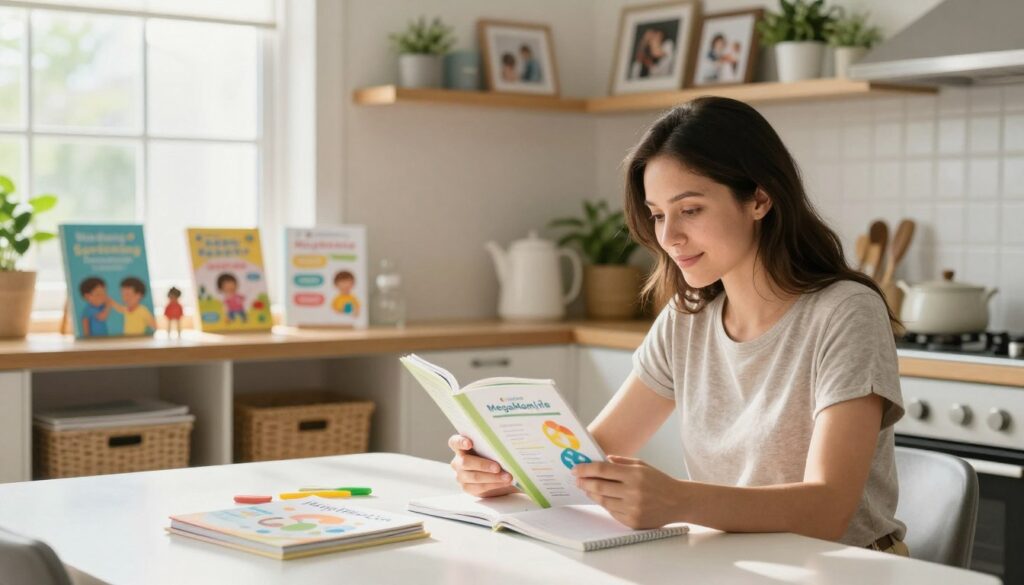
Recommended Books and Resources
Many books and online sites talk about pregnancy and parenting. Some top picks are:
- “What to Expect When You’re Expecting” by Heidi Murkoff and Sharon Mazel
- “The Birth Partner: A Complete Guide to Childbirth for Dads, Doulas, and Other Labor Companions” by Penny Simkin
- “The Wonder Weeks” by Frans Plooij and Hetty van de Rijt
These books give great tips on pregnancy, birth, and starting to parent. They help you feel ready for what’s coming.
Classes You Might Consider
Think about joining prenatal classes or workshops too. They cover many topics, like childbirth and caring for a baby.
- Prenatal Yoga Classes: These classes keep you active, help with stress, and get your body ready for birth.
- Childbirth Education Classes: Learn about labor, delivery choices, and caring for yourself after birth.
- Baby Care and Parenting Classes: Discover how to care for a newborn, feed, and soothe them.
By learning through books and classes, you’ll be ready for pregnancy and parenting’s ups and downs.
Planning for Labor and Delivery
Knowing your options and planning for labor and delivery is important. It makes your experience better and more empowering. Think about many things that will shape your choices.
Creating a Birth Plan
A birth plan is a document with your labor and delivery preferences. It helps your healthcare providers know what you want. When making your plan, think about these things:
- Your preferred labor positioning and mobility
- Options for pain management
- Your wishes regarding interventions, such as episiotomies or assisted deliveries
- Your preferences for newborn care immediately after birth
Talking about your birth plan with your healthcare provider is key. It makes sure everyone knows what to expect during labor and delivery.
Choosing the Right Birth Environment
The place where you give birth affects your experience. You might choose a hospital, birthing center, or home birth. Each has its own good points and things to think about.
| Birth Setting | Benefits | Considerations |
|---|---|---|
| Hospital | Immediate access to medical interventions and emergency care | May feel more clinical or restrictive |
| Birthing Center | More homelike environment, lower intervention rates | May not be suitable for high-risk pregnancies |
| Home Birth | Comfort and control in your own home, lower costs | Requires careful planning and emergency preparedness |
Think about what’s most important to you when choosing a birth place. Talk to your healthcare provider to make a good choice.
Planning for labor and delivery is a smart move. It helps keep your pregnancy healthy and makes your experience better. Remember, being flexible is important. Being open to changes helps you handle any surprises during labor and delivery.
Staying Informed and Flexible
As you go through your pregnancy, it’s key to stay informed and flexible. Every pregnancy is different. Being open to new info and advice helps you make good choices for your health and your baby’s.
Adapting to Changing Circumstances
Your body is changing a lot, and your life might need to change too. By listening to your body and making changes, you can have a healthier pregnancy. This could mean changing your workout, what you eat, or how you sleep to fit your growing baby.
Staying Current with Research and Guidelines
New studies and rules come out all the time. They give moms-to-be important tips and advice. By keeping up, you can make smart choices about your care. Places like the American Pregnancy Association and the American College of Obstetricians and Gynecologists have great info and updates.
Being flexible and informed helps you do well on your pregnancy journey. It lets you focus on your health and your baby’s.
FAQ
What are the most important lifestyle changes to make during pregnancy?
Eating well, drinking lots of water, and exercising safely are key. Avoid smoking and alcohol. Also, go to all your prenatal checkups.
How can I ensure I’m getting the necessary nutrients during pregnancy?
Eat lots of fruits, veggies, whole grains, and lean proteins. Healthy fats are good too. Talk to your doctor about vitamins and supplements.
What types of exercise are safe during pregnancy?
Walking, swimming, and prenatal yoga are safe. Always check with your doctor before starting or continuing any exercise.
How can I manage stress and anxiety during pregnancy?
Try deep breathing, meditation, or prenatal yoga. Joining a support group or talking to a mental health expert can also help.
What are the best sleep practices during pregnancy?
Sleep on your side with a pillow between your knees. Keep a regular sleep schedule. Avoid caffeine and have a calming bedtime routine.
Why are prenatal checkups important, and how often should I attend them?
Checkups let your doctor watch your health and baby’s growth. They help address concerns and guide a healthy pregnancy. You’ll go monthly until the third trimester, then more often as your due date gets closer.
How can I prepare my home for a new baby?
Make your home baby-proofed and set up a nursery. Have all the baby gear ready. Cook and freeze meals, prepare older kids, and build a support system.
What are the benefits of joining a pregnancy support group?
Support groups offer emotional support and a sense of community. You can share experiences, ask questions, and learn from others.
How can I stay informed about pregnancy and parenting?
Read books, attend classes, and use online resources. Talk to your doctor to answer any questions and prepare for parenthood.
What should I consider when creating a birth plan?
Think about your preferences for labor, delivery, and postpartum care. Discuss these with your doctor. Consider pain management, labor positioning, and newborn care. Be ready to adjust if needed.