

Learn what a low-grade fever is, common symptoms, causes, treatment options, and when adults, babies, or kids need medical care.
A low-grade fever is a slightly elevated body temperature that is higher than normal but not considered a high fever. In most adults, a low-grade fever ranges from 99°F to 100.4°F (37.2°C to 38°C). It can be caused by infections, stress, vaccinations, or other mild health conditions.
What Is a Low Grade Fever? A Complete Guide for Single Moms
As a single mom, few things can make you worry faster than seeing a higher-than-normal temperature on the thermometer. Whether it’s your child feeling warm after school or you’re trying to push through a busy workday with body aches and a mild fever, it’s natural to wonder what is happening.
The good news is that a low-grade fever is often your body’s way of fighting off an infection. In many cases, it is not a medical emergency. However, knowing when to monitor symptoms at home and when to call a doctor can help you make confident decisions for yourself and your children.
This guide explains what a low-grade fever is, common causes, symptoms, treatment options, and when medical attention may be needed.
What is a low-grade fever?
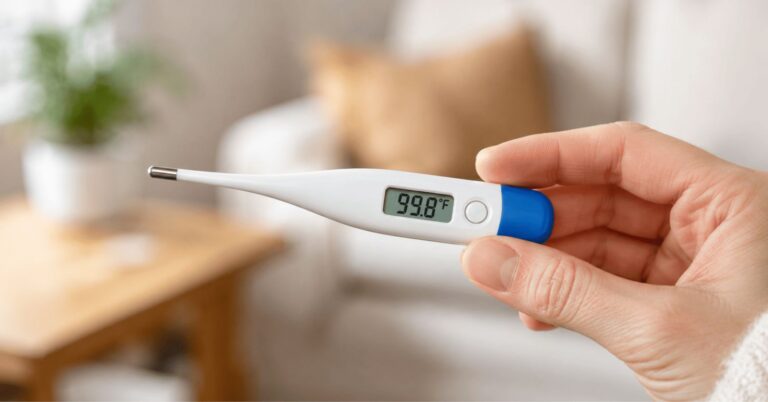
A low-grade fever is a body temperature slightly above normal but below the threshold for a high fever.
Most healthcare providers consider a low-grade fever to be a temperature between:
- 99°F and 100.4°F (37.2°C to 38°C)
- Higher than your normal body temperature
- Usually, a sign that your immune system is working
A fever itself is not an illness. Instead, it is a symptom that your body is responding to something, such as:
- A viral infection
- A bacterial infection
- Inflammation
- Recent vaccination
- Physical stress
For many families, especially busy single moms juggling work and parenting responsibilities, recognizing a low fever early can help prevent unnecessary stress.
Understanding Normal Body Temperature
Before discussing fever levels, it helps to know what is considered normal.
Normal body temperature can vary based on:
- Age
- Activity level
- Time of day
- Hormonal changes
- Measurement method
Typical normal temperature is around:
- 98.6°F (37°C)
However, many healthy people naturally run slightly higher or lower.
Temperature Measurement Methods
Common methods include:
- Oral thermometer
- Ear thermometer
- Forehead thermometer
- Rectal thermometer (often most accurate for babies)
The method used can slightly affect readings.
What is considered a low-grade fever
Many parents ask, “What is considered a low-grade fever?
Generally, healthcare professionals classify temperatures as:
| Temperature | Classification |
|---|---|
| Below 99°F | Normal |
| 99°F–100.4°F | Low Grade Fever |
| 100.4°F+ | Fever |
| 103°F+ | High Fever |
| 105°F+ | Medical Emergency |
The exact fever range may differ slightly among medical organizations, but 100.4°F is commonly used as the cutoff for a true fever.
Common Causes of a Low-Grade Fever
Understanding the causes of low fever can help reduce anxiety.
Viral Infections
The most common causes include:
- Common cold
- Flu
- COVID-19
- Respiratory infections
Bacterial Infections
Examples include:
- Ear infections
- Urinary tract infections
- Strep throat
Vaccinations
Children and adults may experience a mild fever after vaccines.
Stress and Exhaustion
Single moms often experience high levels of stress. While stress alone doesn’t always cause fever, extreme physical strain can contribute to elevated temperature.
Inflammatory Conditions
Certain autoimmune or inflammatory conditions may cause recurring low fevers.
What is a low-grade fever in adults?
When discussing what a low-grade fever in adults is, the temperature usually falls between:
- 99°F and 100.4°F
Adults may continue daily activities with a mild fever, but it is important to listen to their bodies.
Common Adult Causes
- Viral illnesses
- Sinus infections
- Stress-related exhaustion
- Medication reactions
- Autoimmune disorders
For single moms balancing childcare, work, and household duties, getting adequate rest can be difficult. However, recovery often happens faster when you allow yourself time to rest.
What is a low-grade fever in babies?
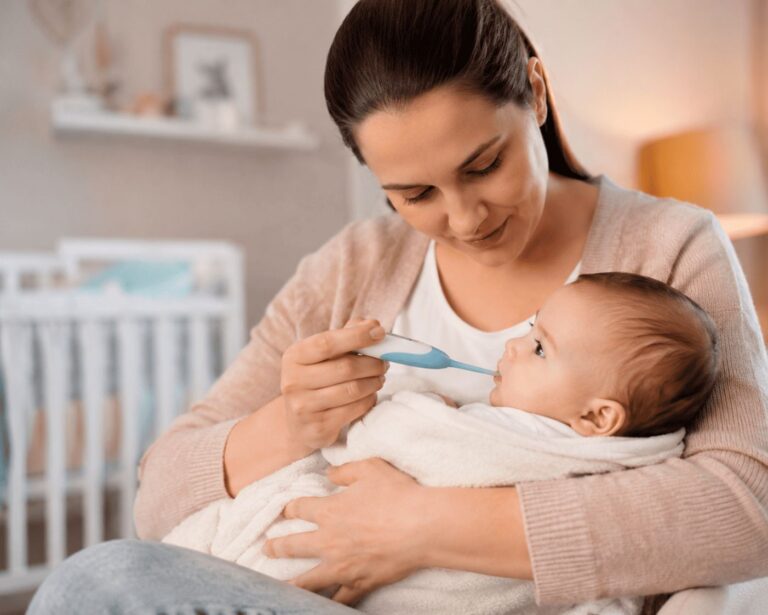
Parents often worry most when a baby develops a temperature.
What is a low-grade fever in babies?
A low-grade fever in babies is generally considered a temperature slightly above normal but below 100.4°F.
Babies have developing immune systems and may react differently from adults.
Possible Causes
- Mild viral infections
- Teething (may slightly raise temperature)
- Vaccinations
- Overdressing in warm environments
Always monitor your baby’s overall behavior, feeding patterns, and hydration.
What is classed as a fever
Many people wonder, what is classed as a fever?
Most medical experts define a fever as:
- 100.4°F (38°C) or higher
This is the standard fever definition used by healthcare providers.
A fever indicates that the body’s immune system is actively responding to an illness or condition.
Not every fever requires treatment, but monitoring symptoms is important.
Fever vs. Low Grade Fever
Key Differences
| Feature | Low Grade Fever | Fever |
|---|---|---|
| Temperature | 99°F–100.4°F | 100.4°F+ |
| Severity | Mild | Moderate to Severe |
| Daily Function | Often possible | May be difficult |
| Medical Concern | Usually low | Depends on symptoms |
| Treatment Need | Often observation | Sometimes required |
Understanding these differences can help parents respond appropriately.
What is considered a low-grade fever in adults
For adults, what is considered a low-grade fever in adults generally falls between:
- 99°F
- 100.4°F
Adult Symptoms May Include
- Feeling warm
- Mild chills
- Fatigue
- Headache
- Muscle aches
- Sweating
While a fever in adults is often harmless, a persistent fever lasting several days should be evaluated by a healthcare professional.
low temperature fever symptoms
Recognizing low-temperature fever symptoms can help you identify illness early.
Common Symptoms
- Mild chills
- Warm skin
- Sweating
- Fatigue
- Headache
- Body aches
- Reduced appetite
- Slight weakness
These mild fever symptoms are often manageable at home.
low-grade fever signs
Additional low-grade fever signs may include:
- Increased thirst
- Difficulty concentrating
- Mild irritability
- Trouble sleeping
- Feeling unusually tired
Children may become clingier or less active than usual.
What is considered a low-grade fever in babies
Parents frequently ask, “What is considered a low-grade fever in babies?
Typically:
- 99°F to 100.3°F is considered low grade
- 100.4°F or higher is considered a true fever
Call a Doctor Immediately If:
- Baby is younger than 3 months
- Temperature reaches 100.4°F or higher
- Baby refuses feeding
- Baby appears lethargic
- Breathing difficulties occur
Trust your instincts. If something feels wrong, seek medical advice.
What is considered a low-grade fever in kids
For children, what is considered a low-grade fever in kids generally means:
- Temperature between 99°F and 100.4°F
Common Causes in Children
- Common colds
- Ear infections
- Teething
- Viral illnesses
- Immunizations
Children often recover quickly with rest, fluids, and proper monitoring.
Mild Fever Treatment at Home

Most cases of mild fever treatment focus on comfort and hydration.
Helpful Home Care Strategies
- Encourage fluids
- Offer healthy foods
- Allow extra sleep
- Dress comfortably
- Use a cool room temperature
Hydration Ideas for Kids
- Water
- Ice pops
- Broth
- Oral rehydration solutions
For Busy Single Moms
Try these practical tips:
- Keep a thermometer in multiple rooms
- Prepare easy meals ahead of time
- Create a medication tracker
- Ask trusted family members for support
Remember that taking care of yourself helps you care for your children.
When Should You Call a Doctor?
Contact a healthcare provider if:
Adults
- Fever lasts more than 3 days
- Temperature exceeds 103°F
- Severe symptoms develop
Children
- Persistent fever
- Difficulty breathing
- Severe dehydration
- Extreme sleepiness
Babies
- Under 3 months with fever
- Feeding difficulties
- Unusual behavior
When in doubt, seek professional medical guidance.
Self-Care Tips for Single Moms Recovering From a Fever
Many moms continue working through illness, but recovery matters.
Prioritize Rest
Even a short nap can help your immune system.
Simplify Responsibilities
During illness:
- Use grocery delivery
- Choose simple meals
- Delay nonessential tasks
Stay Hydrated
Keep a water bottle nearby throughout the day.
Ask for Help
Support from friends, relatives, or community groups can reduce stress and speed recovery.
Emotional Wellness During Family Illness
When children become sick, many moms experience anxiety and guilt.
Remember:
- Most low-grade fevers resolve naturally.
- You do not need to handle everything perfectly.
- Monitoring symptoms carefully is often enough.
A calm parent helps create a calm environment for children.
Frequently Asked Questions
Can a low-grade fever be a sign of something serious?
Usually, a low-grade fever is related to a minor infection or temporary immune response. However, persistent fevers lasting weeks or accompanied by significant symptoms should be evaluated by a healthcare professional.
How long can a low-grade fever last?
Many low-grade fevers last between one and three days. Viral illnesses may occasionally cause mild fevers for a longer period, depending on the infection.
Should I treat a low-grade fever immediately?
Not always. Fever is part of the body’s natural defense system. Treatment is generally focused on comfort, hydration, and rest rather than lowering the temperature itself.
Is 99°F considered a fever?
For some individuals, 99°F may represent a slight elevation above their normal temperature. Most healthcare providers consider it part of the low-grade fever range rather than a significant fever.
Can stress cause a low-grade fever?
In some cases, prolonged stress and physical exhaustion may contribute to a slightly elevated body temperature, though infections are more common causes.
What foods help during a low-grade fever?
Hydrating foods and easy-to-digest options such as soup, fruit, toast, rice, and broth can support recovery and help maintain energy levels.
When should I take my child to the emergency room?
Seek emergency care if your child has trouble breathing, signs of severe dehydration, seizures, extreme lethargy, or a very high fever that does not respond to medical guidance.
Conclusion
Understanding what a low-grade fever is can help you feel more confident when illness affects your family. In most cases, a low-grade fever is a normal response from the body’s immune system and can be managed with rest, hydration, and careful monitoring.
As a single mom, you already handle countless responsibilities every day. When illness strikes, remember that you do not have to be perfect. Focus on the basics—rest, fluids, comfort, and seeking medical care when necessary.
Most importantly, trust yourself. Your attention, care, and instincts are powerful tools that help keep your family healthy and safe.
Comparison Table
| Category | Adults | Kids | Babies |
|---|---|---|---|
| Normal Temperature | Around 98.6°F | Around 98.6°F | Around 98.6°F |
| Low Grade Fever | 99°F–100.4°F | 99°F–100.4°F | 99°F–100.3°F |
| Fever | 100.4°F+ | 100.4°F+ | 100.4°F+ |
| Common Causes | Colds, ear infections, and vaccines | Colds, ear infections, vaccines | Vaccines, mild infections |
| Home Treatment | Rest, fluids, monitoring | Rest, fluids, comfort measures | Hydration and monitoring |
| When to Call Doctor | Fever over 3 days or severe symptoms | Persistent fever or concerning symptoms | Colds, ear infections, and vaccines |